아방가르드회전!문
Freelancer based in Seoul and based on critical theory (historical materialism). Prepared colleague who participates in the production process of various products (research, exhibition planning, curating, work, criticism, and Korean-style pork barbecue) at reasonable costs.
contact : goodacompany@karts.ac.kr
CV
education
2020- : MFA Art Theory, Korea National University of Arts, South korea
2019 : BFA Fine Art Photography, Chung-Ang University, South Korea
2017 : Basic amphibious assault training, Republic of Korea Marine Corps
Products
2025 Research(in progress) : Metacommentary on the reception of the discourse of “Nonhuman-turn” – The Korean contemporary art scene and the “death of theory”
2023 Exhibition and curating : ≪Joel≫
2023 Exhibition, curating and artwork : ≪GURGLE Ꮆㄩ尺Ꮆㄥ乇❡☋☈❡↳€!-It was just an accident!≫
2023 artwork : <imagine/Ninja Turtles Taking Selfie in an Alley in Seoul>
2023 artwork : <imagine/the scenery of Seoul’s alleys>
2023 artwork : <메종 마르지엘라 X 더뮤지엄비지터 X 공간서울 X 아빙가르드회전!문>
2023 artwork : <몬드리안을 위한 이동식 가구 테스트> 연작
2022 Artwork : <오늘의 집으로, 우리들의 밝은 내일> Exhibited at 《나의 친애하는》
2022 Exhibition,curating and artwork : <ASMR 응답하라 1988 비오는 노을이의 방 |Reply 1988 Rainy Noeul’s Room Study Ambience> Currently on display on YouTube
Click to see more about
2025 Research(in progress) : Metacommentary on the reception of the discourse of “Nonhuman-turn” – The Korean contemporary art scene and the “death of theory”
How is the art world using the hot topic of the “nonhuman turn”? 🧐 (feat. the death of theory?)
Recently, there has been a heated debate in various fields such as philosophy, art, and science about the “nonhuman turn,” which refers to a shift in thinking beyond the human. This movement seeks to redefine our relationships with non-human entities such as objects, technology, animals, and the environment, moving away from the notion that humans are the center of the world. This shift is driven by growing concerns that human power alone is insufficient to understand or address issues like climate change and artificial intelligence. Naturally, this “nonhuman turn” discourse is having a significant impact on the contemporary art world. Many artists, critics, and curators are actively applying related theories to their works and exhibitions. But are we truly utilizing these new theories effectively? Or are we merely consuming them superficially, like a trend or a convenient tool?
🤔 In the age of the “death of theory,” how is theory being used?
This paper starts from this point. It focuses on the tendency to conveniently use only certain concepts or analytical methods of new theories that emerge today, while ignoring their complex contexts and critical power, a phenomenon known as the “instrumentalization of theory.” It’s like picking out only the tasty parts!
The paper argues that this “instrumentalization of theory” goes beyond a mere misunderstanding of theory and may serve as a symptom revealing deeper issues within our society and the art world. Drawing on Fredric Jameson’s concept of “the death of theory,” it questions whether theory today functions as a “method of thought” that captures contradictions in the world and proposes possibilities for change rather than serving as a “method of thinking” that captures contradictions in the world and proposes possibilities for change. What is important here is that theory must go beyond the mere transmission of knowledge or philosophical reflection and possess the “power of thought” that critically examines reality and leads to action.
😥 The “present” repeats itself, and the “future” is closed?
Ultimately, this paper does not simply seek to criticize the discourse on the “inhuman turn.” Rather, it originates from a desire for this important contemporary discourse to be more deeply and critically embraced in the Korean contemporary art scene. To transcend being a mere trend or convenient tool, theory must become a powerful “method of thought” that reflects on our repetitive present and imagines a genuine future. This requires constant critical self-reflection on the very process of accepting and applying theory.
‘비인간적 전환’ 담론의 수용 양상에 대한 메타코멘터리 : 한국 동시대 미술 현장과 ‘이론의 죽음(deathe of tehory)’
새로운 담론 트랜드 ‘비인간적 전환’, 우리 미술계는 어떻게 쓰고 있을까? 🧐 (feat. 이론의 죽음?)
최근 철학, 예술, 과학 등 다양한 분야에서 ‘인간 너머’를 이야기하는 ‘비인간적 전환(Nonhuman Turn)’이라는 담론이 뜨겁습니다. 인간만이 세상의 중심이라는 생각에서 벗어나, 사물, 기술, 동물, 환경 등 비인간적인 존재들과의 관계를 새롭게 보려는 움직임인데요. 기후 변화나 인공지능 같은 문제들 앞에서 더 이상 인간만의 힘으로는 세상을 이해하거나 해결할 수 없다는 목소리가 커지고 있기 때문이죠. 이러한 ‘비인간적 전환’ 담론은 당연히 우리 현대 미술계에도 큰 영향을 미치고 있습니다. 많은 작가, 비평가, 기획자들이 관련 이론들을 작품이나 전시에 활발하게 적용하고 있죠. 그런데 과연 우리는 이 새로운 이론들을 제대로 활용하고 있는 걸까요? 혹시 유행처럼, 혹은 편리한 도구처럼 피상적으로만 소비하고 있는 것은 아닐까요?
🤔 ‘이론의 죽음’ 시대, 이론은 어떻게 쓰이는가?
이 논문은 바로 이 지점에서 출발합니다. 오늘날 새로운 이론이 등장하면, 그 이론이 가진 복잡한 맥락이나 비판적인 힘은 간과된 채 특정 개념이나 분석 방식만이 편리하게 사용되는 경향, 이른바 ‘이론의 도구화’ 현상에 주목하는 것이죠. 마치 맛있는 부분만 쏙 빼먹는 것처럼요!
논문은 이러한 ‘이론의 도구화’가 단순히 이론을 잘못 이해한 것을 넘어, 우리 사회와 미술계가 가진 더 깊은 문제점을 드러내는 ‘징후’일 수 있다고 이야기합니다. 특히 비평가 프레드릭 제임슨이 이야기한 ‘이론의 죽음’이라는 개념을 가져와서, 오늘날 이론이 세상을 모순을 포착하고 변화의 가능성을 제안하는 ‘사유의 방법’이 되기보다는, 오히려 기존의 생각이나 질서를 그대로 반복하거나 예쁘게 포장하는 데 쓰이고 있는 건 아닌지 되묻고 있죠. 여기서 중요한 건, 이론이 단순한 지식 전달이나 철학적 사색을 넘어, 현실을 비판적으로 바라보고 실천으로 나아가는 ‘생각의 힘’을 가져야 한다는 점이에요.
😥 ‘현재’는 반복되고, ‘미래’는 닫힌다?
논문은 이러한 ‘이론의 도구화’가 결국에는 ‘현재를 재생산’하는 결과를 낳는다고 주장합니다. 새로운 이론이 기존의 문제적인 미술사 담론, 사회 현실에 대한 안일한 시각, 혹은 지배적인 사회 시스템을 비판적으로 넘어서는 데 쓰이기보다는, 오히려 세련된 언어로 재포장하거나 정당화하는 데 그친다는 것이죠.
더 나아가, 이런 상황은 진정한 변화나 미래를 향한 상상력의 문을 닫아버리는 ‘미래의 봉쇄’로 이어질 수 있다고 경고합니다. 이론이 현실의 문제를 날카롭게 지적하고 새로운 가능성을 열어주는 역할을 해야 하는데, 오히려 현재 상태를 유지하거나 정당화하는 데 쓰인다면 정말 안타까운 일이겠죠?
✨ 이론, 어떻게 다시 살아날 수 있을까?
결국 이 논문은 단순히 ‘비인간적 전환’ 담론을 비판하려는 것이 아닙니다. 오히려 이 중요한 현대 담론이 한국 동시대 미술 현장에서 더욱 깊이 있고 비판적으로 수용되기를 바라는 마음에서 출발합니다. 이론이 단순한 유행이나 편리한 도구를 넘어, 반복되는 우리의 현재를 성찰하고 진정한 미래를 상상해가는 강력한 ‘사유의 방법’이 되기 위해서는 이론을 수용하고 적용하는 과정 자체에 대한 끊임없는 비판적 자기 성찰이 필요하다는 질문을 던지고 있는 것이죠.
Summarized/written by Gemini and translated by DeepL.
English Abstract
This study argues that the discourse of the “nonhuman turn,” which has emerged as a major trend in 21st-century thought, has been accepted in the contemporary Korean art scene and examines its ideological function through Fredric Jameson’s critical methodology. To this end, this study first examines the key concepts and theoretical scope of the “Nonhuman Turn” discourse, focusing on the discussions of Richard Grusin. It then establishes Jameson’s diagnosis of the “death of theory,” “dialectical thinking,” and “metacommentary” as the core methodological framework for the study.
Through Jameson’s methodology, this study interprets the theoretical deadlocks or contradictions inherent in major theories within the discourse on the “non-human turn,” particularly Object-Oriented Ontology (OOO) and Actor-Network Theory (ANT), as symptoms of the “death of theory.” This is to reveal the phenomenon of the “instrumentalization of theory” that can occur when these theories are used as mere analytical “tools” within specific sociocultural contexts, as well as its ideological dimensions.
Based on this, the study examines specific research and critical texts, as well as exhibition discourse cases, from the contemporary art scene in Korea. The results reveal common signs of “the instrumentalization of theory,” including the abstraction of historical and social contexts, the patchwork solutions to real-world conflicts, the gap between theory and actual analysis, and the weakening of critical potential, in the process of the Korean reception of the “non-human turn” discourse. This study argues that such “theoretical instrumentalization” can ultimately perform an ideological function of “reproducing the present (Present Reproduction)” by uncritically replicating or reinforcing existing art historical discourses, depoliticized views of social reality, and institutional practices.
Ultimately, this study raises the issue that when new theories remain confined to reinforcing existing frameworks of thought without critical reflection, this can lead to a more serious problem of “future foreclosure,” which blocks true change and the future. By interpreting the Korean reception of the “non-human turn” discourse as a concrete symptom of Jameson’s diagnosis of “the death of theory,” this study raises the need for fundamental reflection on the conditions under which theory can function as a method of thought and its ideological effects, and aims to activate critical discussions on the relationship between contemporary theory and artistic practice.
Keywords: non-human turn, Fredric Jameson, death of theory, meta-commentary, method of thought, instrumentalization of theory, present reproduction, future closure, object-oriented ontology (OOO), actor-network theory (ANT), Korean contemporary art, critical theory
Gemini를 통해 요약/작성 되었으며 deepl을 통해 번역되었습니다.
국문초록
본 연구는 21세기 주요 사유의 흐름으로 등장한 ‘비인간적 전환(Nonhuman Turn)’ 담론이 한국 동시대 미술 현장에서 수용되는 양상과 그 과정에서 드러나는 이데올로기적 기능을 프레드릭 제임슨(Fredric Jameson)의 비판적 방법론을 통해 논증한다. 이를 위해 본 연구는 먼저 ‘비인간적 전환’ 담론의 주요 개념과 이론적 범위를 리처드 그루신(Richard Grusin)의 논의를 중심으로 검토한다. 이어 제임슨의 ‘이론의 죽음(death of theory)’ 진단, ‘변증법적 사고(dialectical thinking)’, 그리고 ‘메타코멘터리(metacommentary)’라는 구체적인 방법을 연구의 핵심적인 연구의 작업 틀로 설정한다.
이러한 제임슨의 방법론을 통해, 본 연구는 ‘비인간적 전환’ 담론 내 주요 이론들, 특히 객체지향 존재론(Object-Oriented Ontology, OOO)과 행위자-네트워크 이론(Actor-Network Theory, ANT)이 자체적으로 가질 수 있는 이론적 교착 상태나 이율배반을 ‘이론의 죽음’이라는 징후로 해석한다. 이는 해당 이론들이 특정 사회문화적 맥락에서 단순한 분석 ‘도구’로 활용될 때 발생할 수 있는 ‘이론의 도구화(instrumentalization of theory)’ 현상과 그 이데올로기적 차원을 드러내기 위함이다.
이를 바탕으로 한국 동시대 미술 현장의 구체적인 연구 및 비평 텍스트, 그리고 전시 담론 사례들을 면밀히 살펴본다. 그 결과, ‘비인간적 전환’ 담론의 한국적 수용 과정에서 역사적·사회적 맥락의 추상화, 현실 갈등의 미봉책, 이론과 실제 분석 사이의 간극, 비판적 잠재력의 약화 등 ‘이론의 도구화’라는 공통적인 징후가 관찰됨을 밝힌다. 본 연구는 이러한 ‘이론의 도구화’가 결과적으로 기존의 미술사적 담론, 사회 현실에 대한 탈정치적 시각, 제도적 관행 등을 비판 없이 답습하거나 강화하며 ‘현재를 재생산(Present Reproduction)’하는 이데올로기적 기능을 수행할 수 있음을 논증한다.
궁극적으로 본 연구는 새로운 이론이 비판적 성찰을 결여한 채 기존의 사유 틀을 강화하는 데 머무를 때, 이는 진정한 의미에서의 변화와 미래를 차단하는 ‘미래 봉쇄(Future Foreclosure)’라는 더 심각한 문제로 이어질 수 있음을 제기한다. 이는 ‘비인간적 전환’ 담론의 한국적 수용 과정을 ‘이론의 죽음’이라는 제임슨적 진단의 구체적 징후로 해석함으로써, 오늘날 이론이 사유의 방법으로서 기능하기 위한 조건과 그 이데올로기적 효과에 대한 근본적인 성찰의 필요성을 제기하고, 동시대 이론과 예술 실천의 관계에 대한 비판적 논의를 활성화하는 데 학술적 의의를 둔다.
주요어: 비인간적 전환, 프레드릭 제임슨, 이론의 죽음, 메타코멘터리, 사유의 방법, 이론의 도구화, 현재 재생산, 미래 봉쇄, 객체지향 존재론(OOO), 행위자-네트워크 이론(ANT), 한국 동시대 미술, 비판 이론
Click to see more about
2023 Exhibition and curating : ≪Joel≫
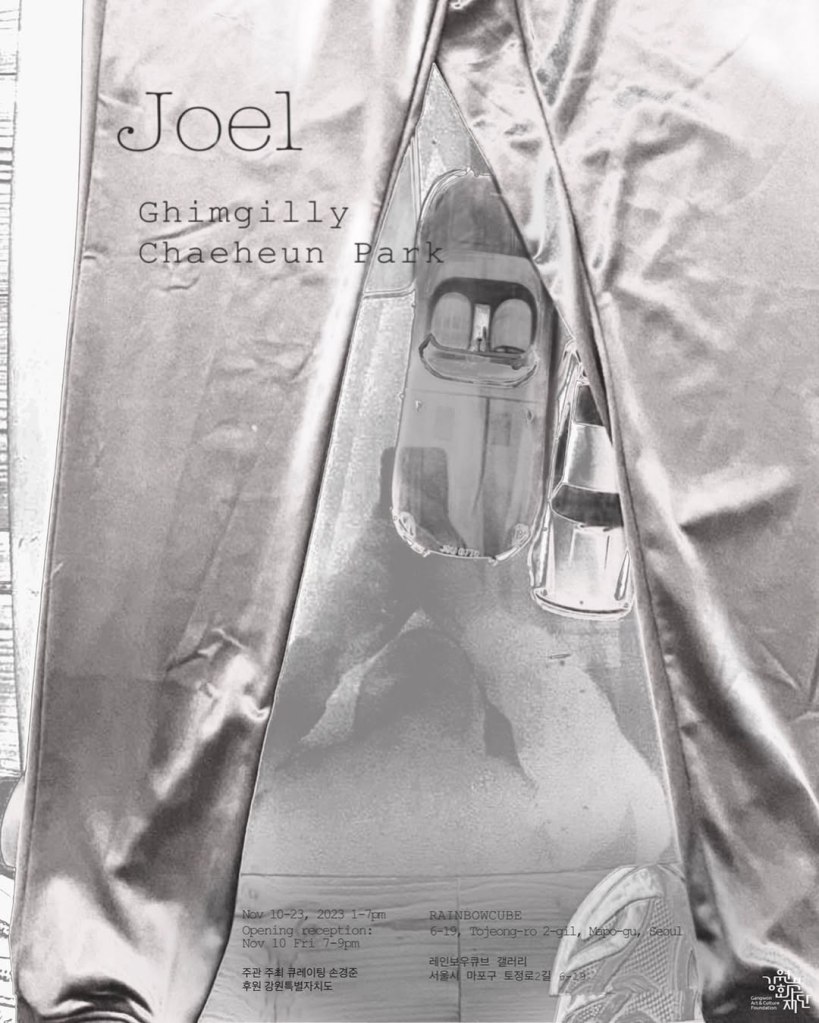
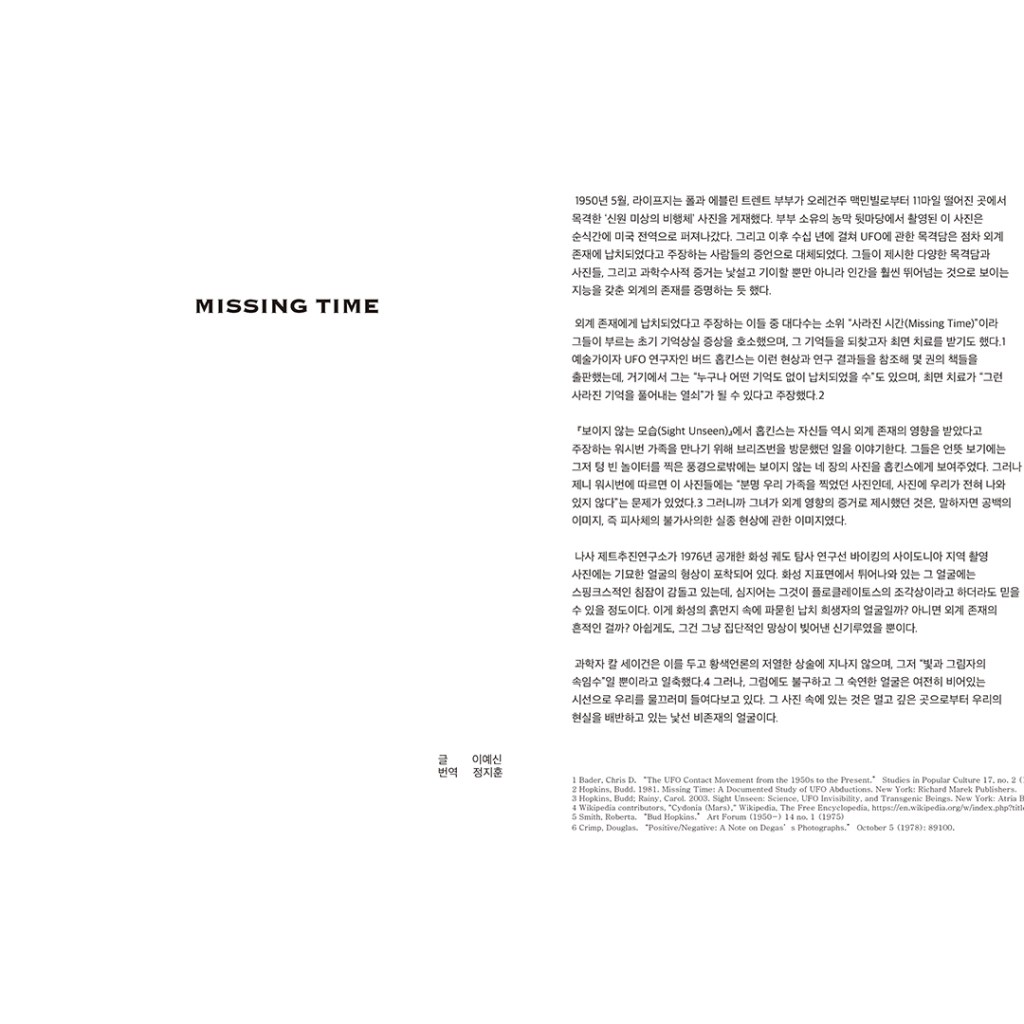
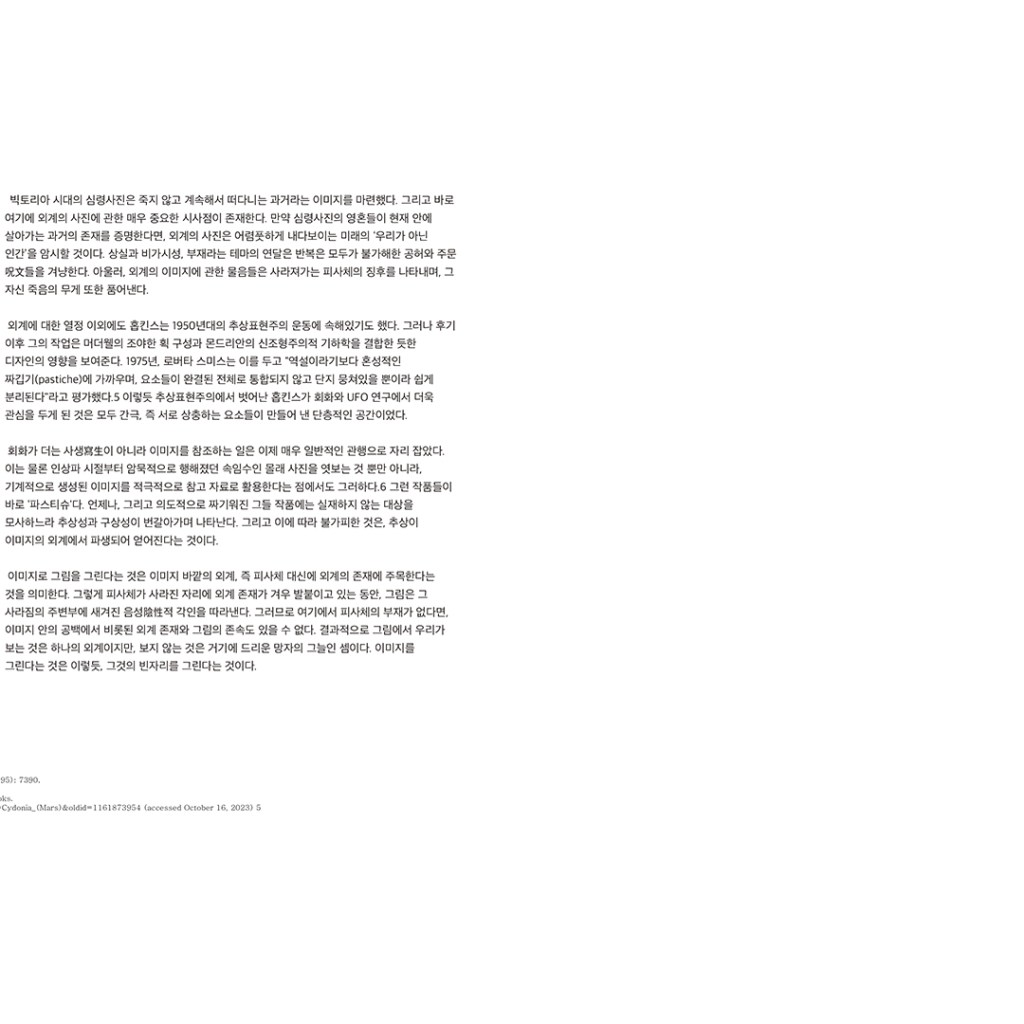
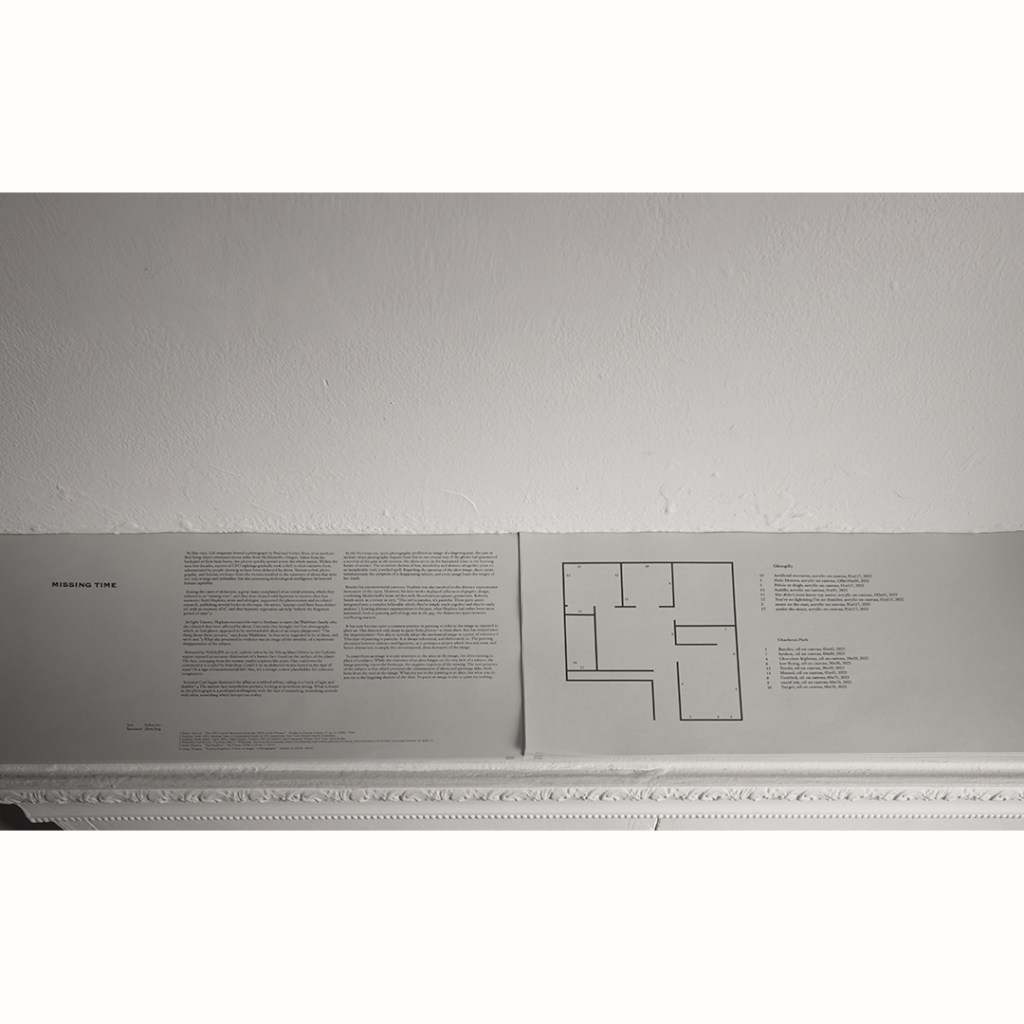
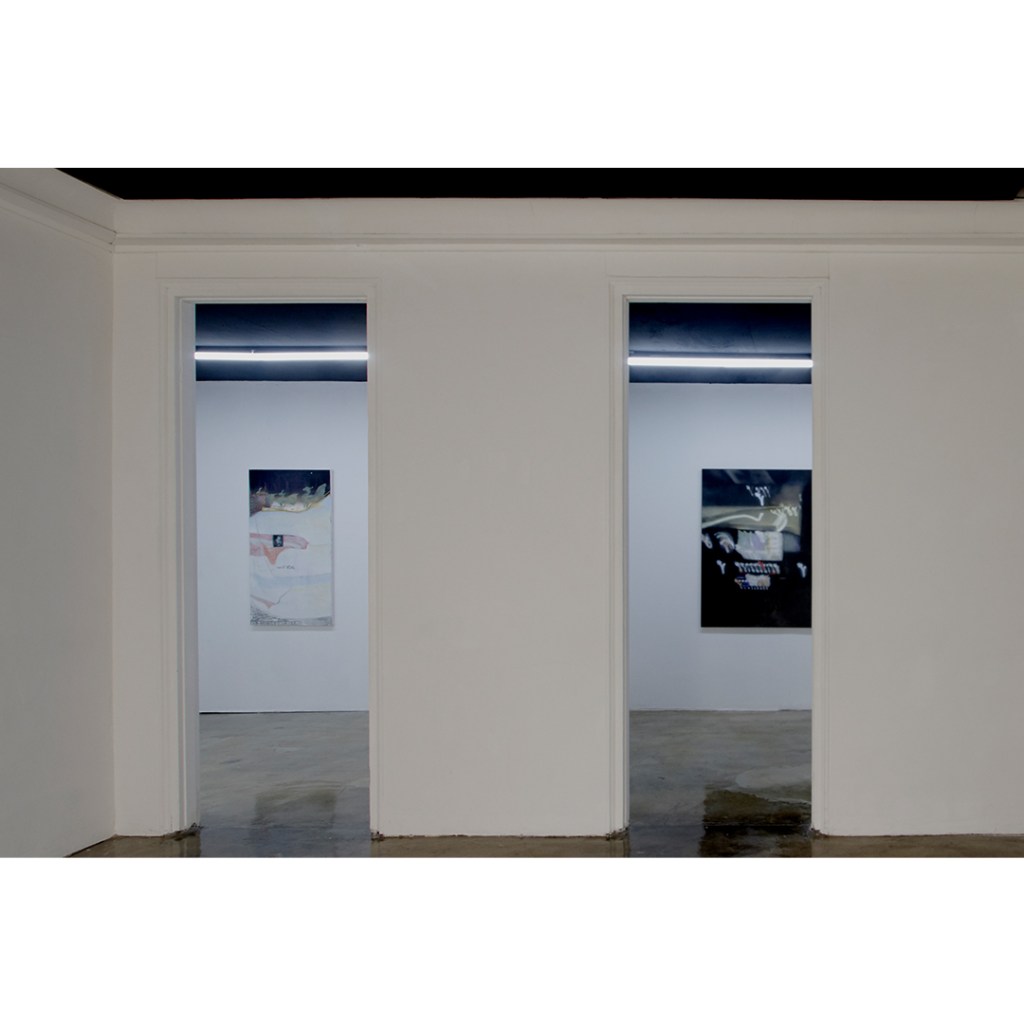
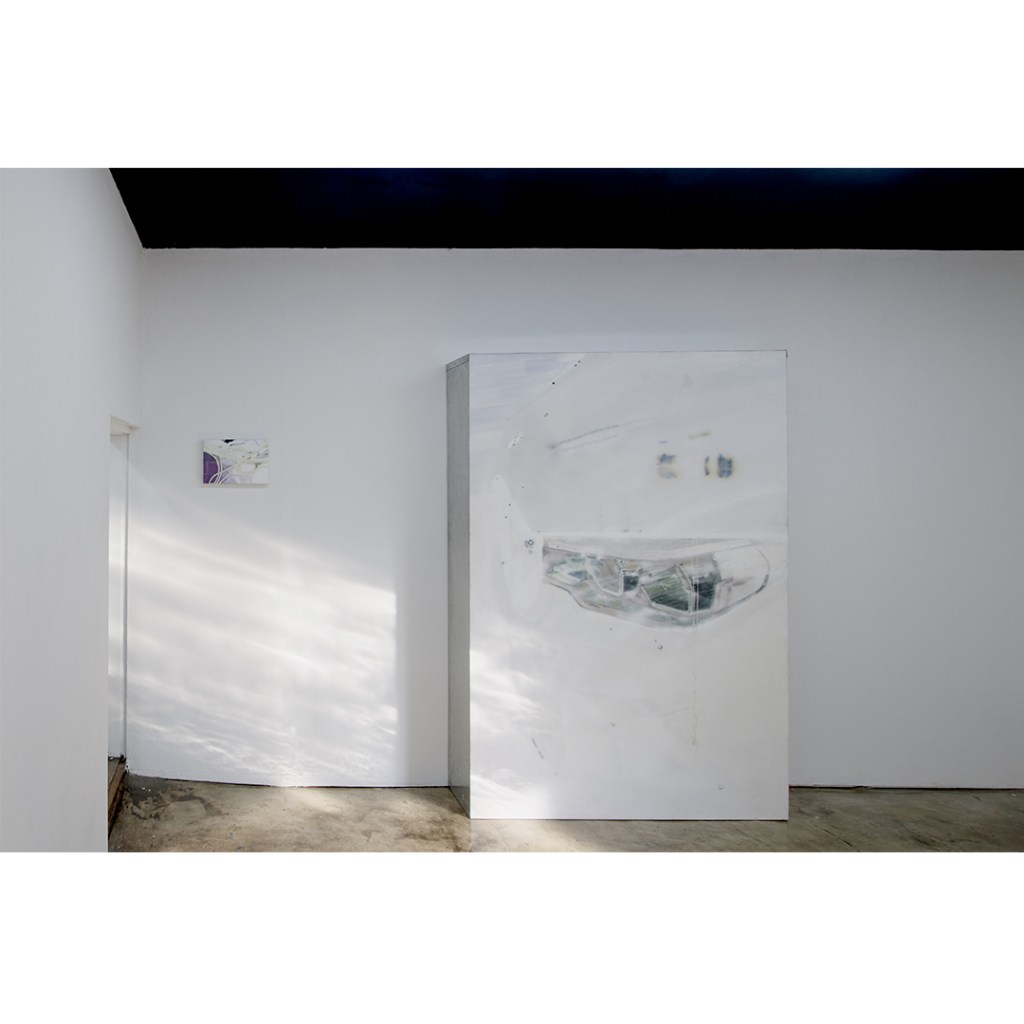
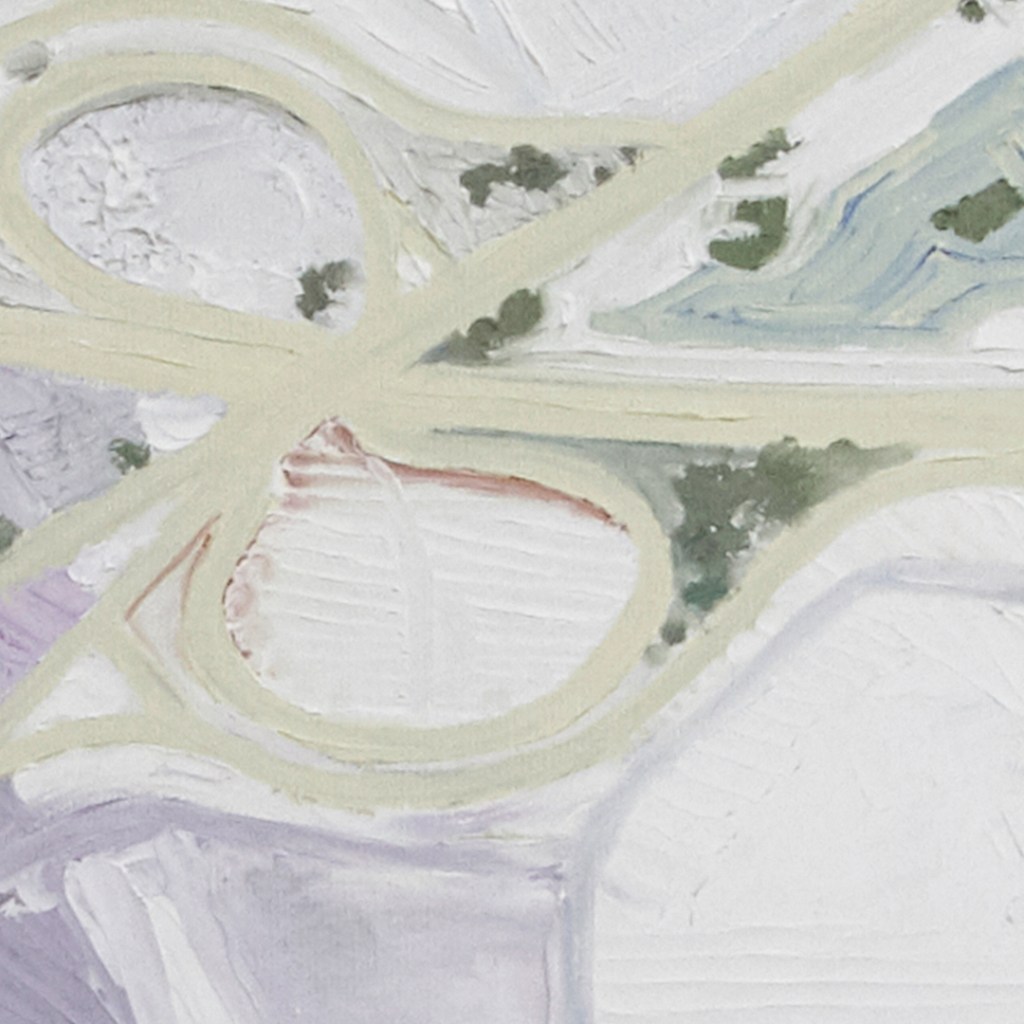
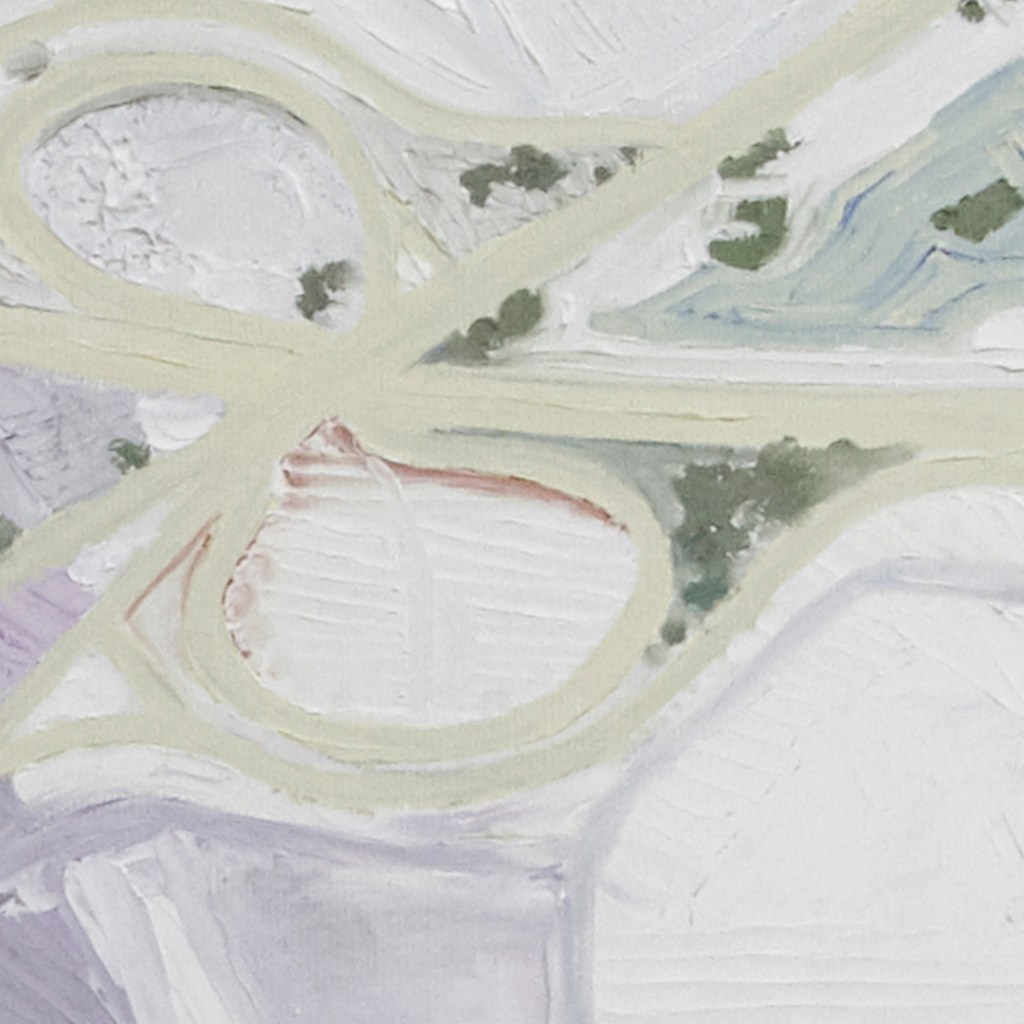
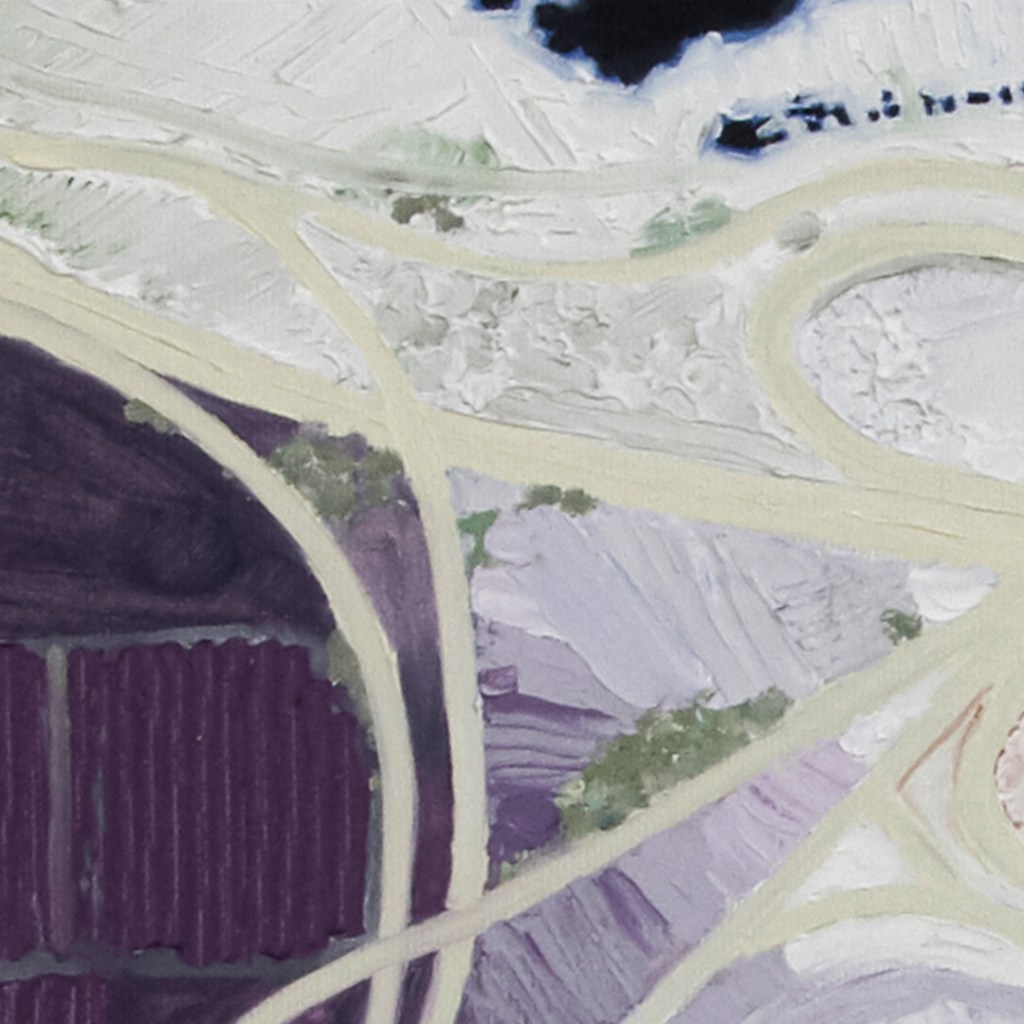
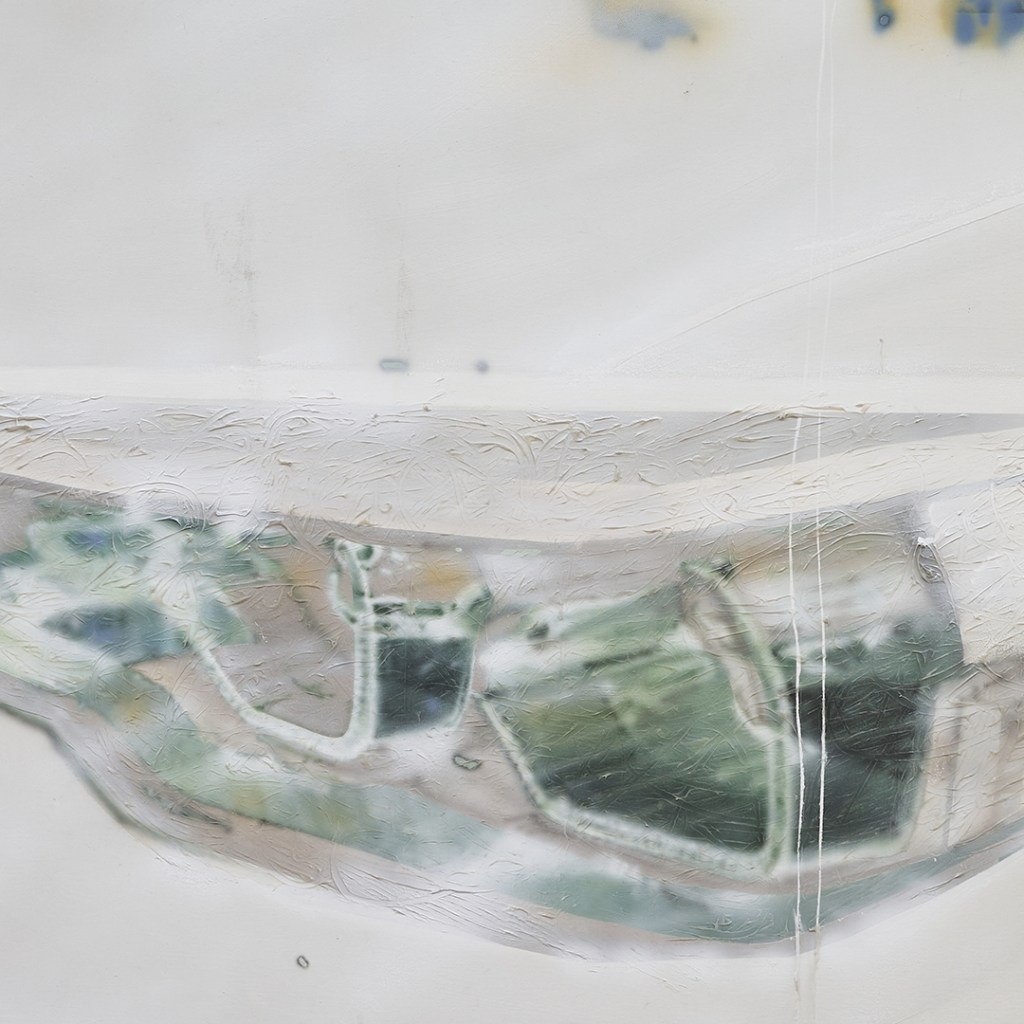
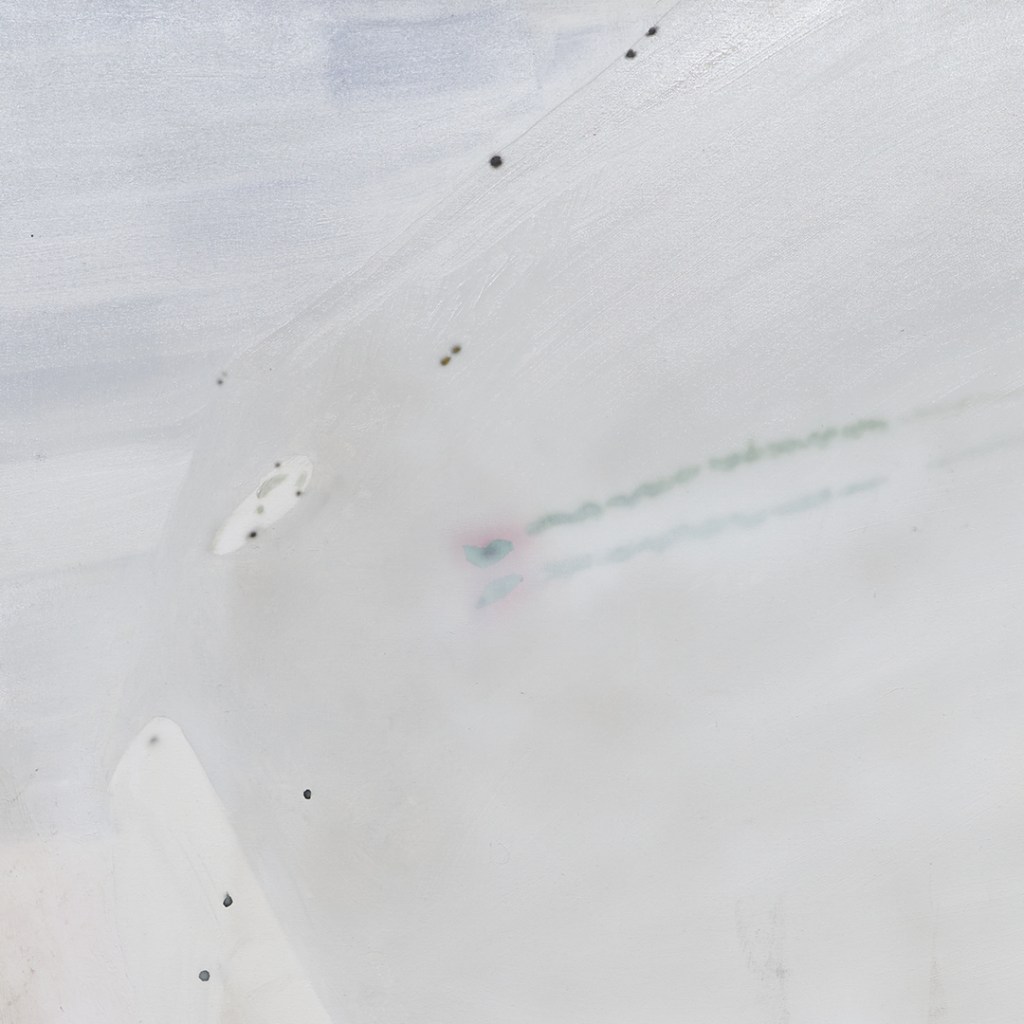
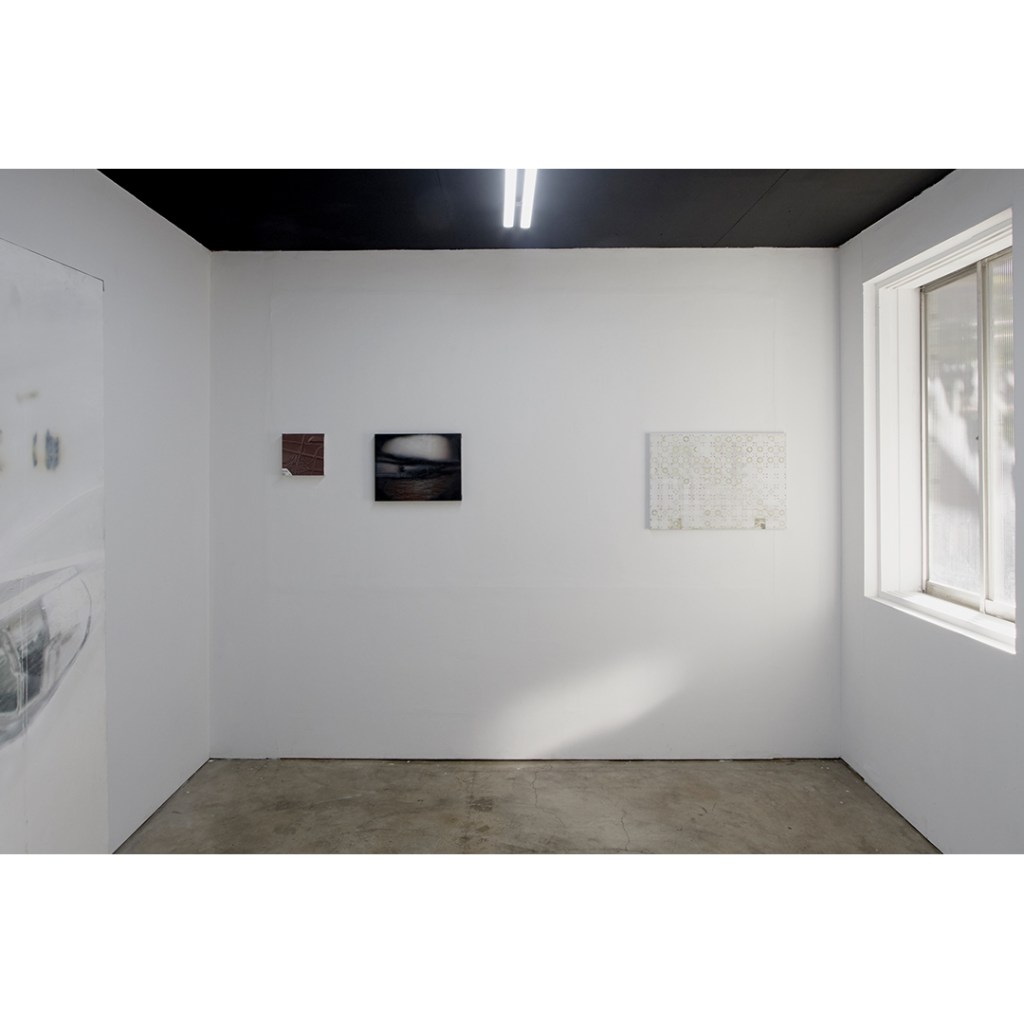
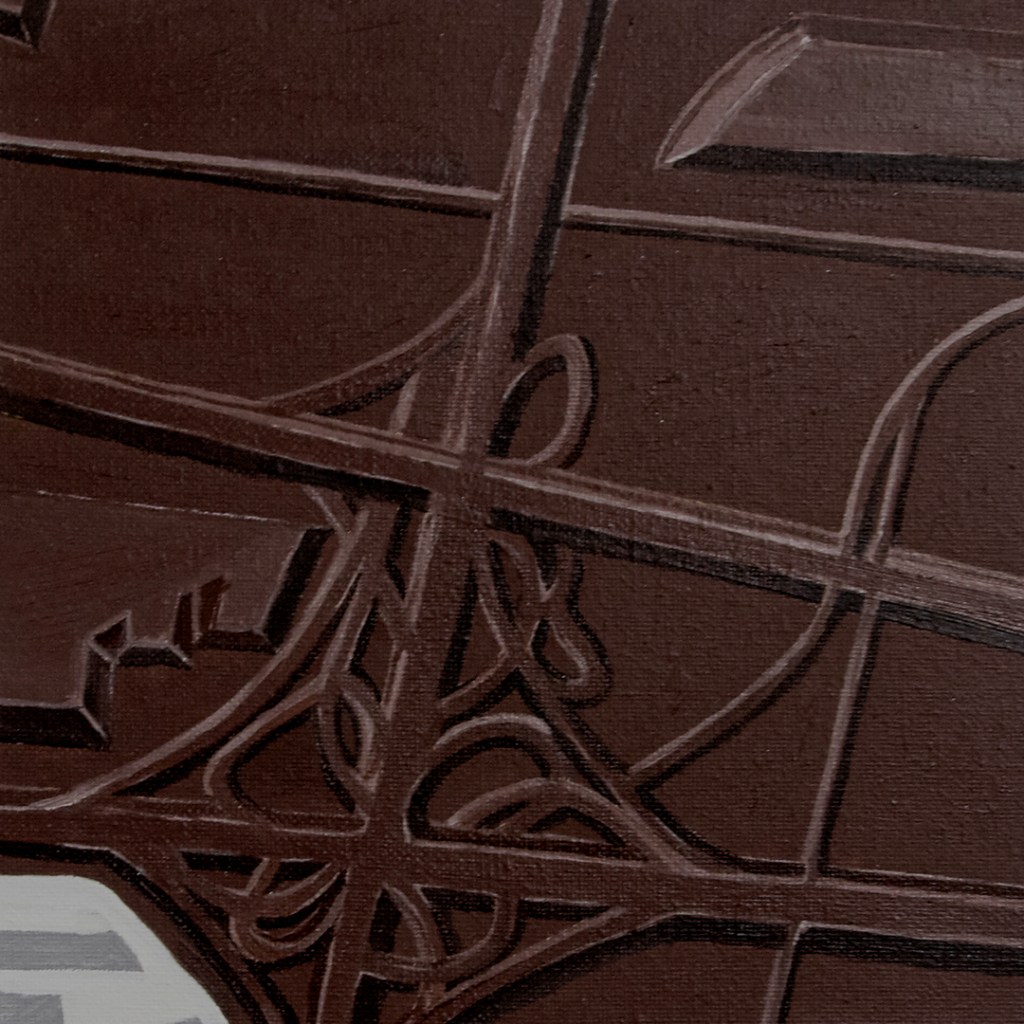
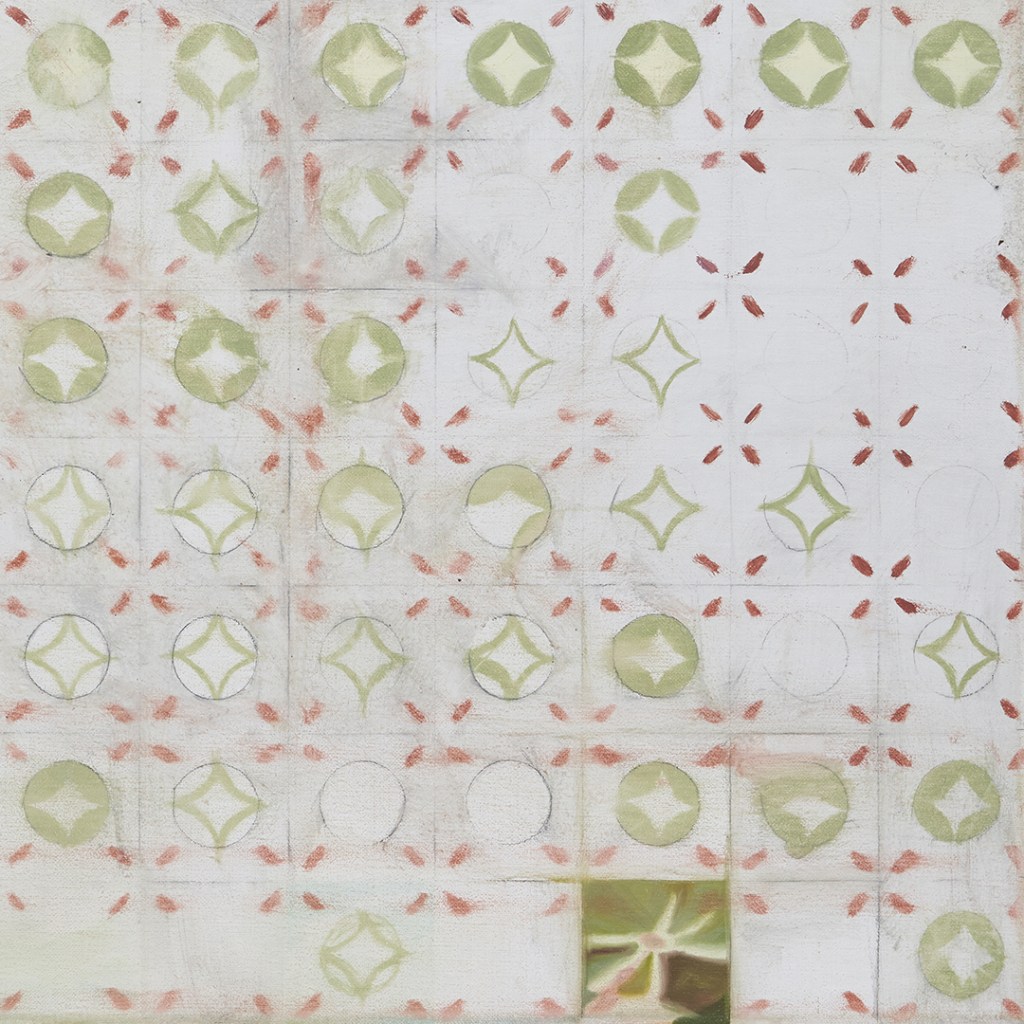
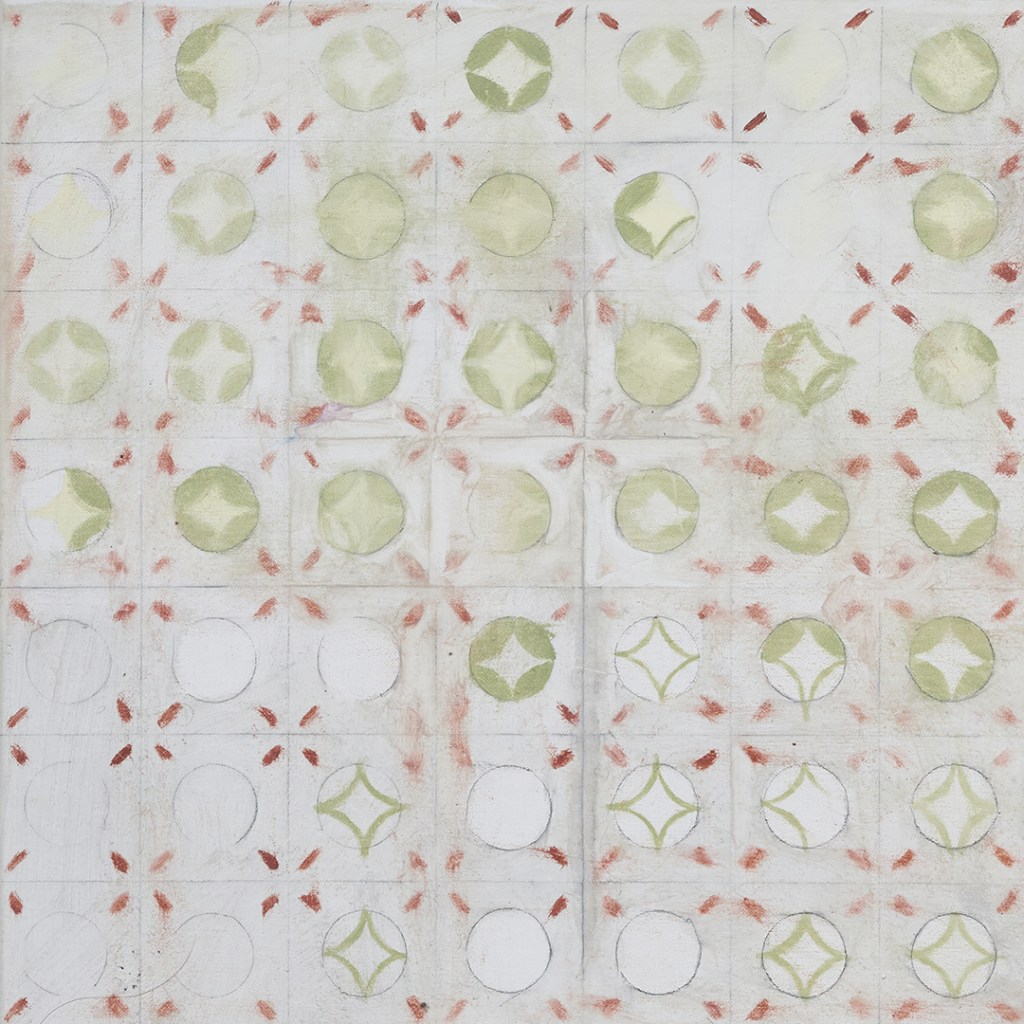
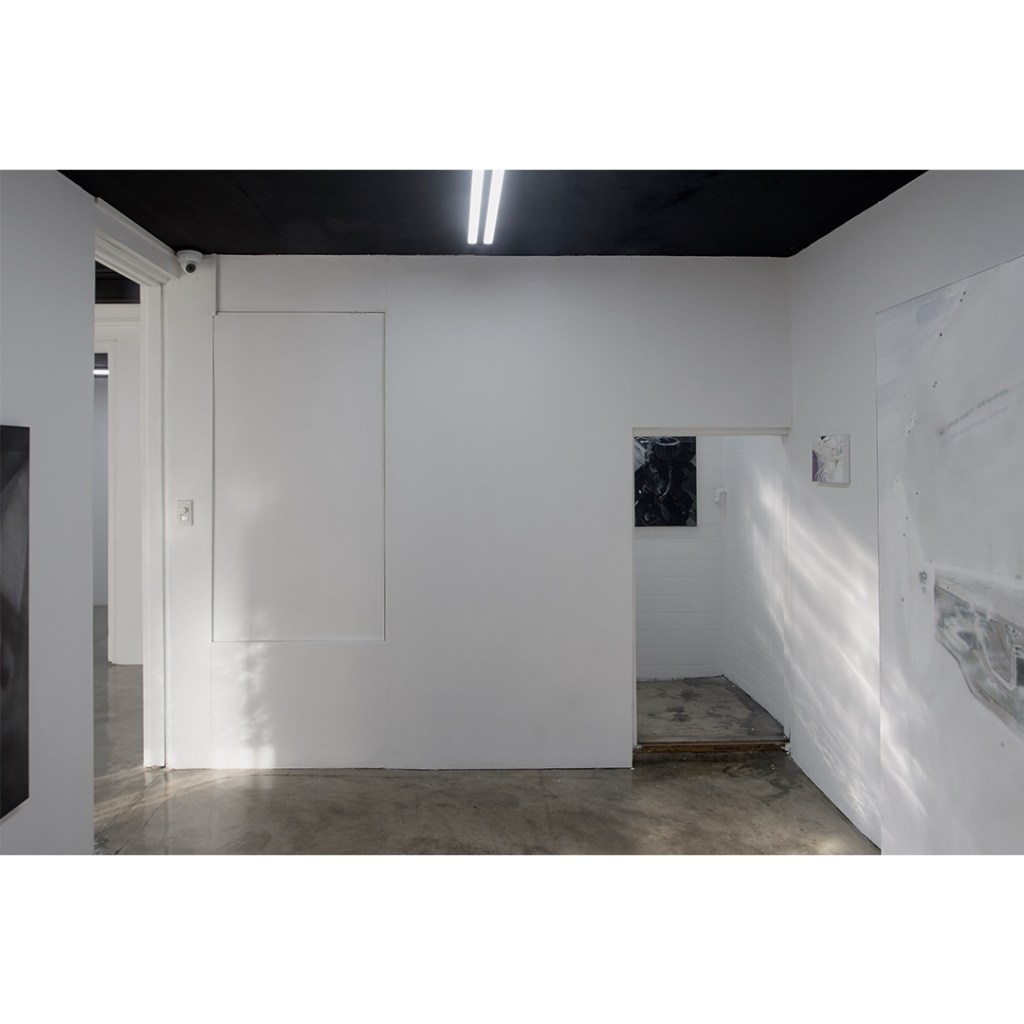
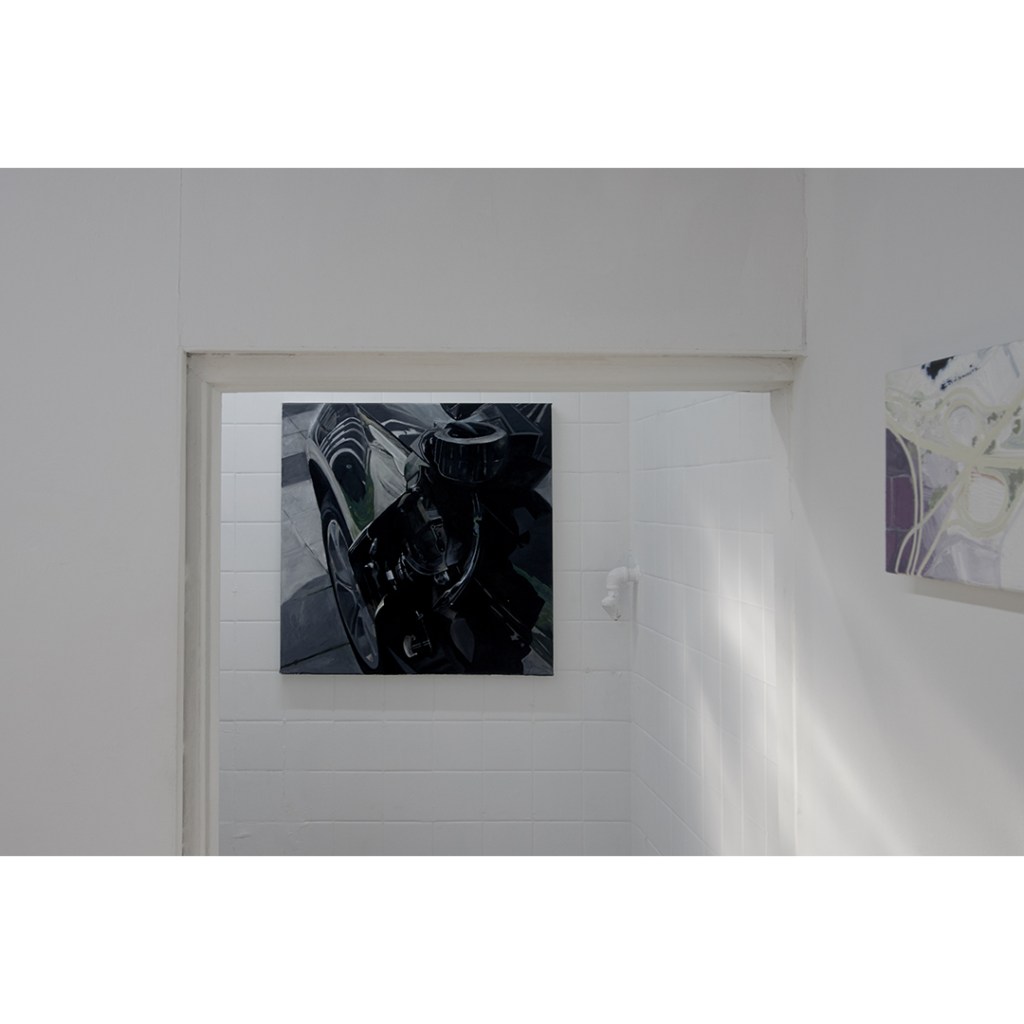
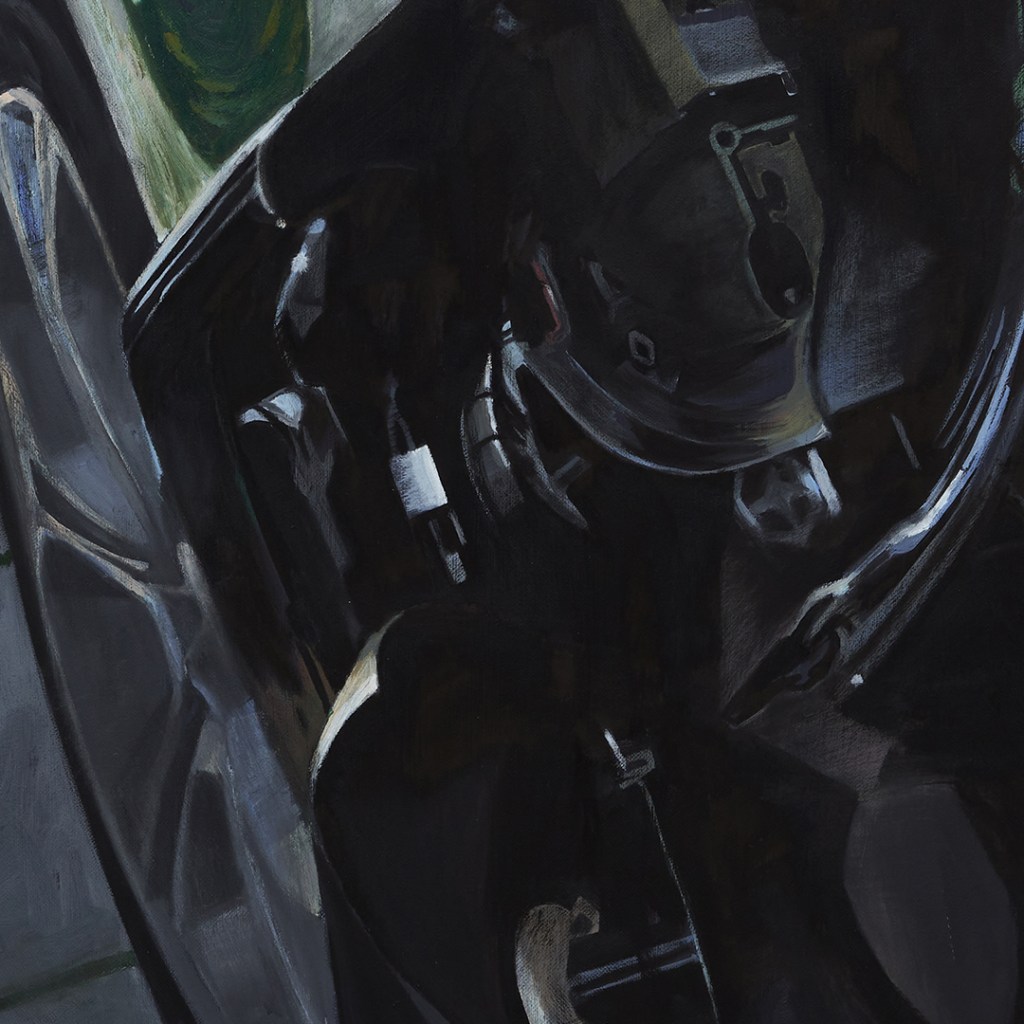
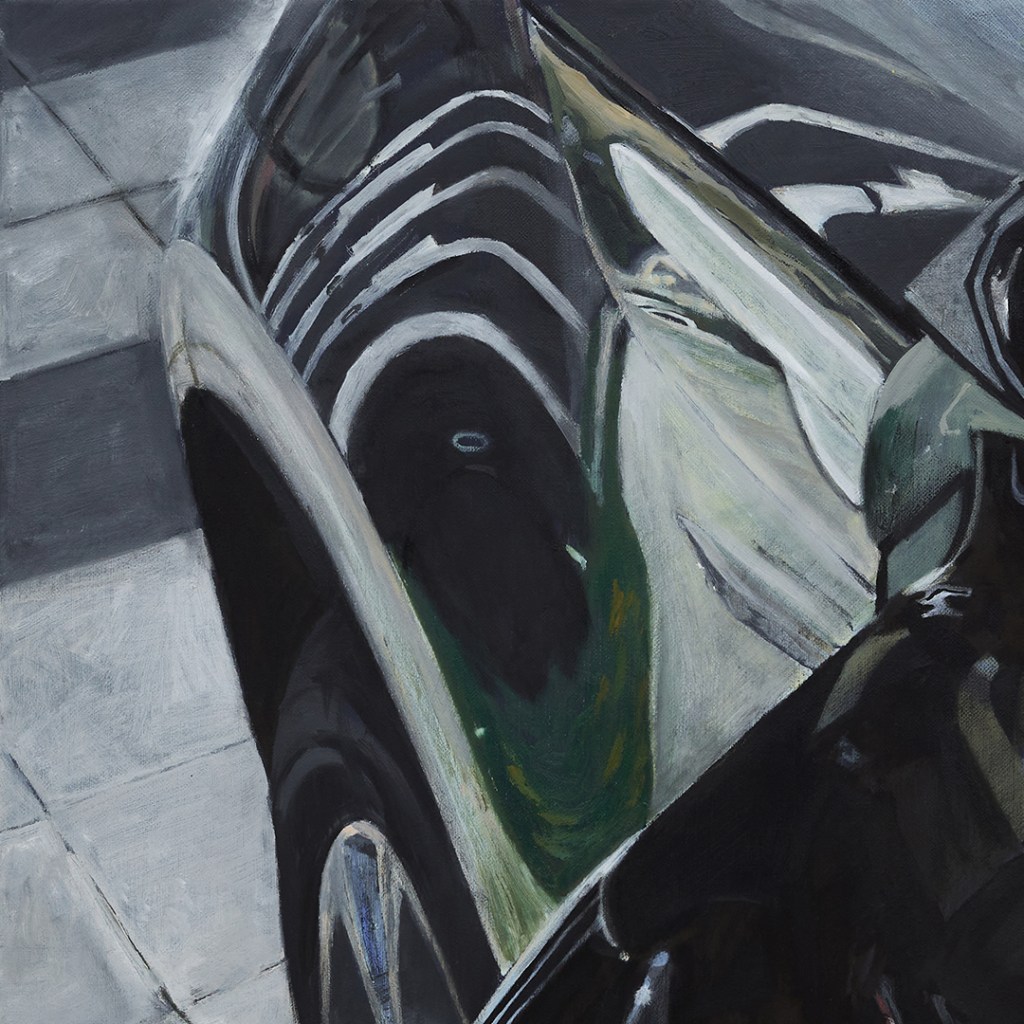
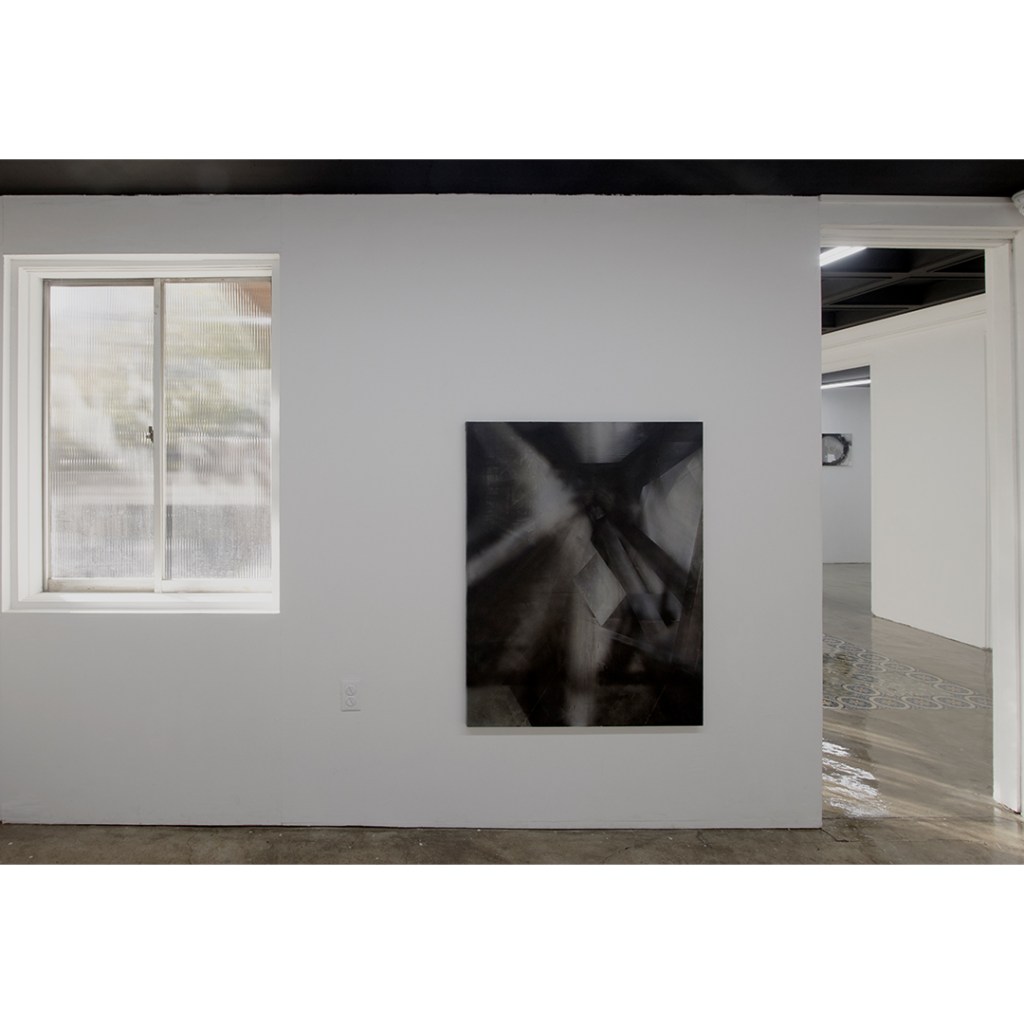
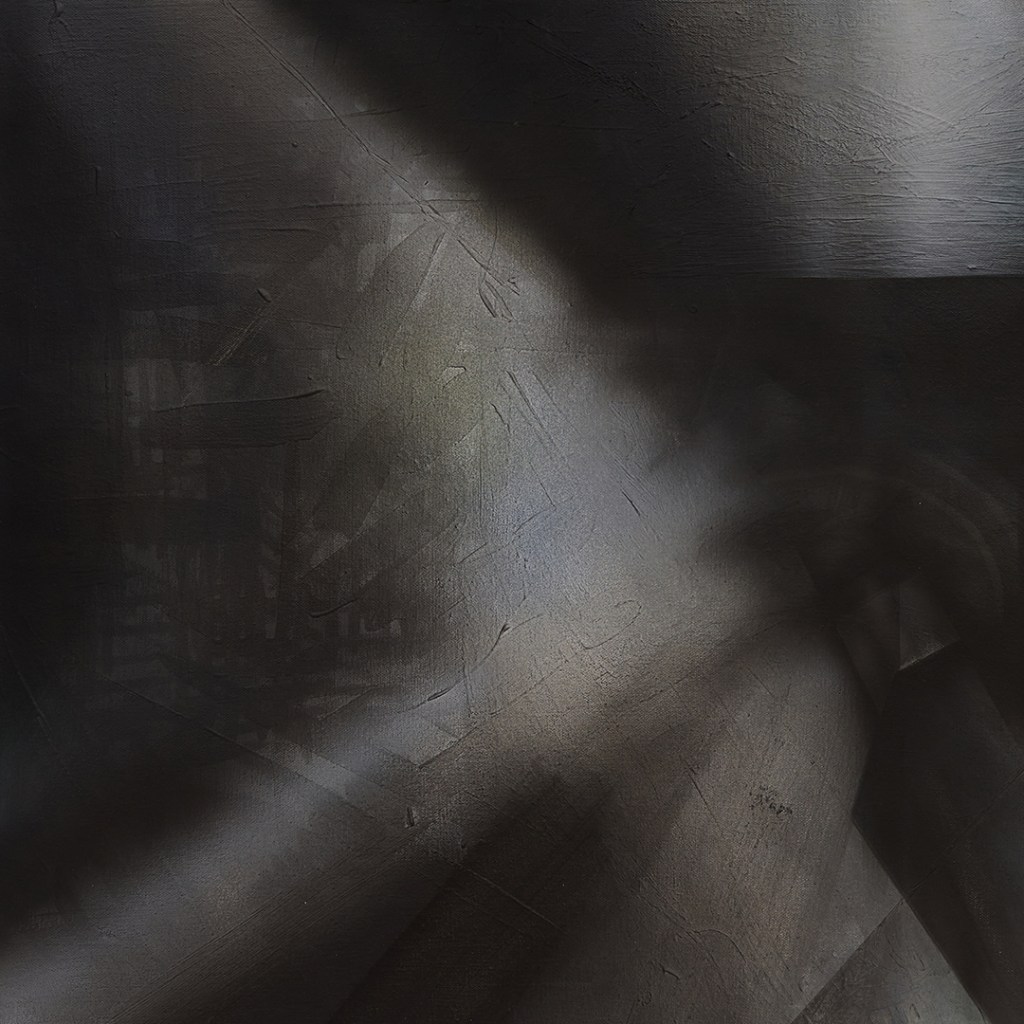
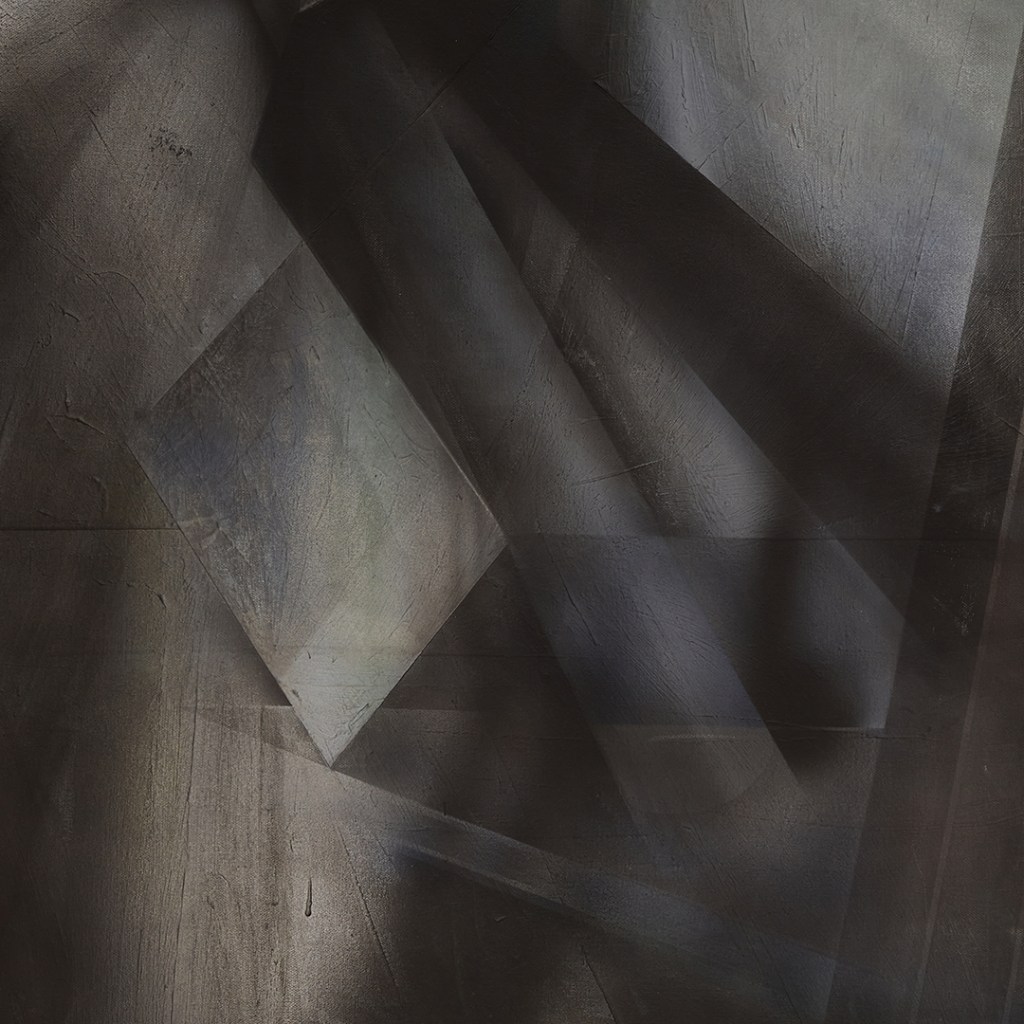
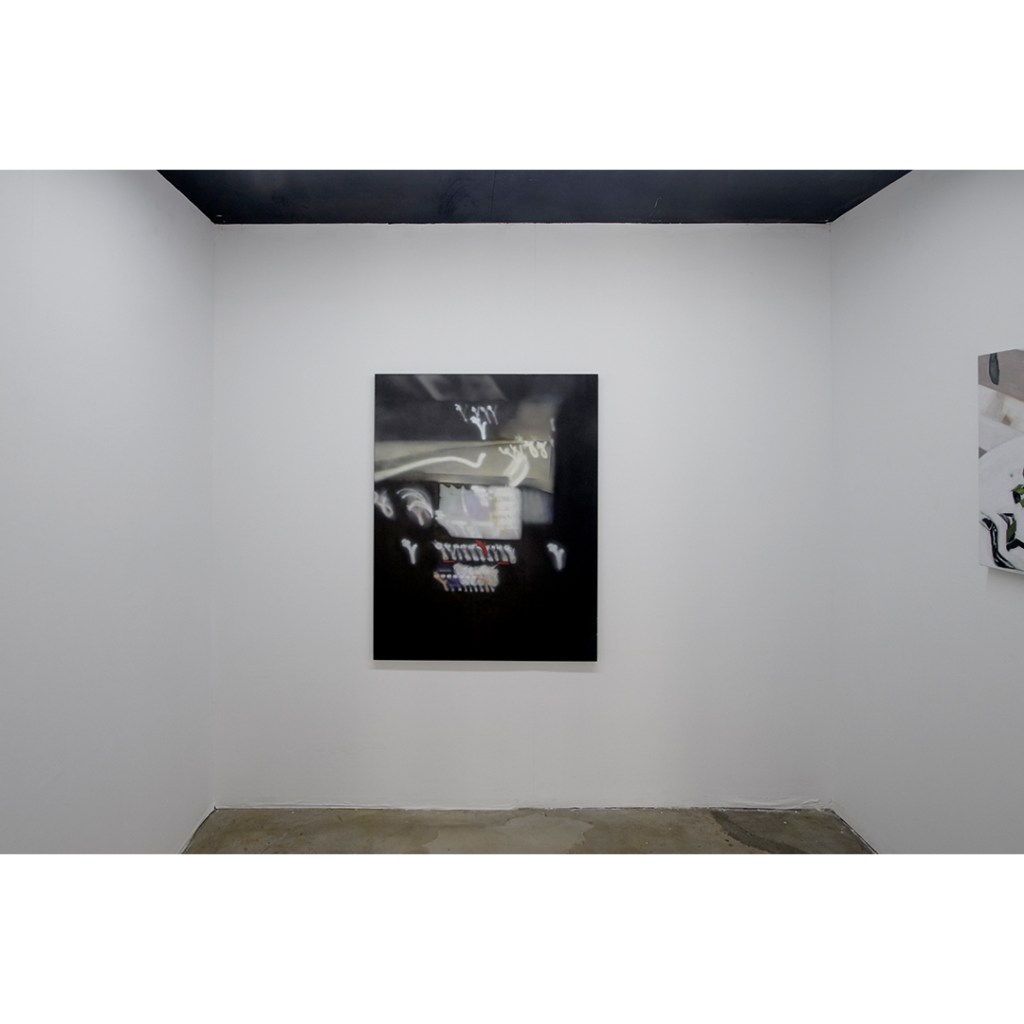
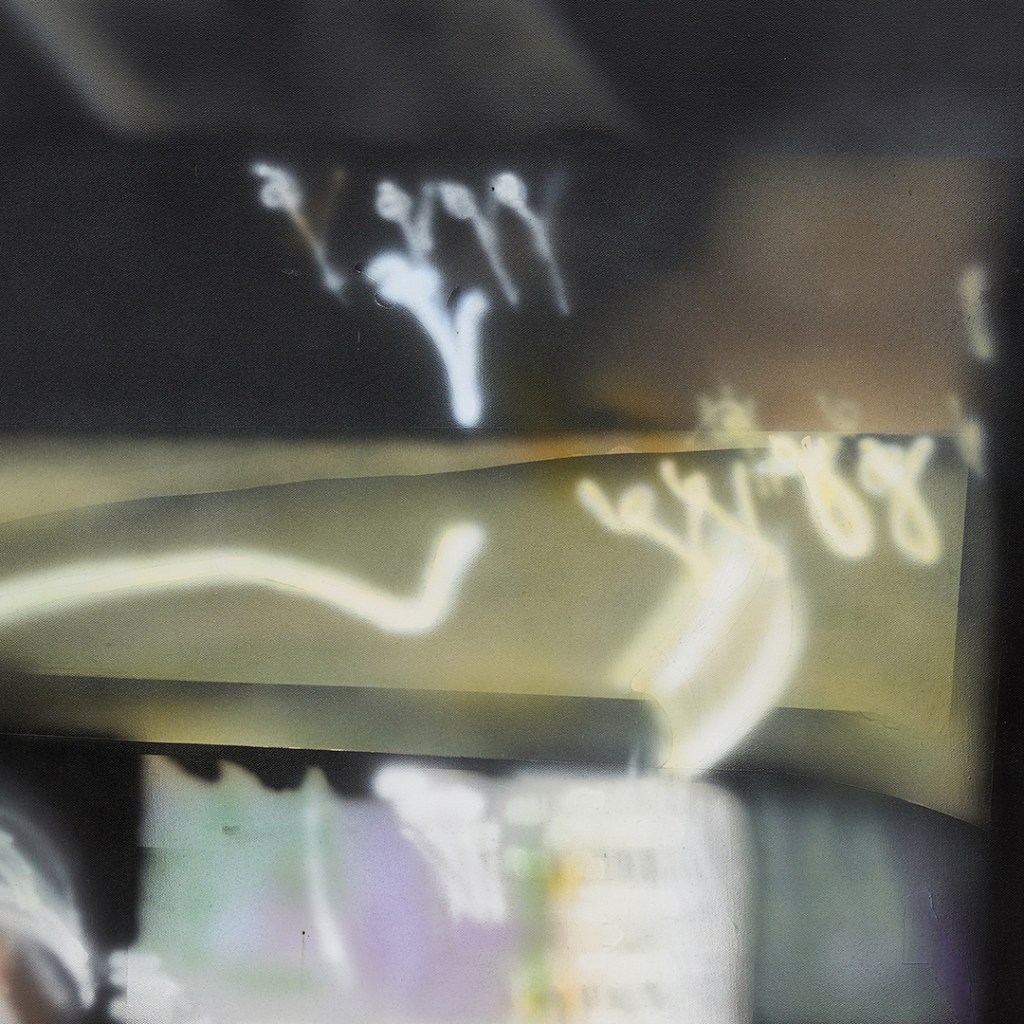
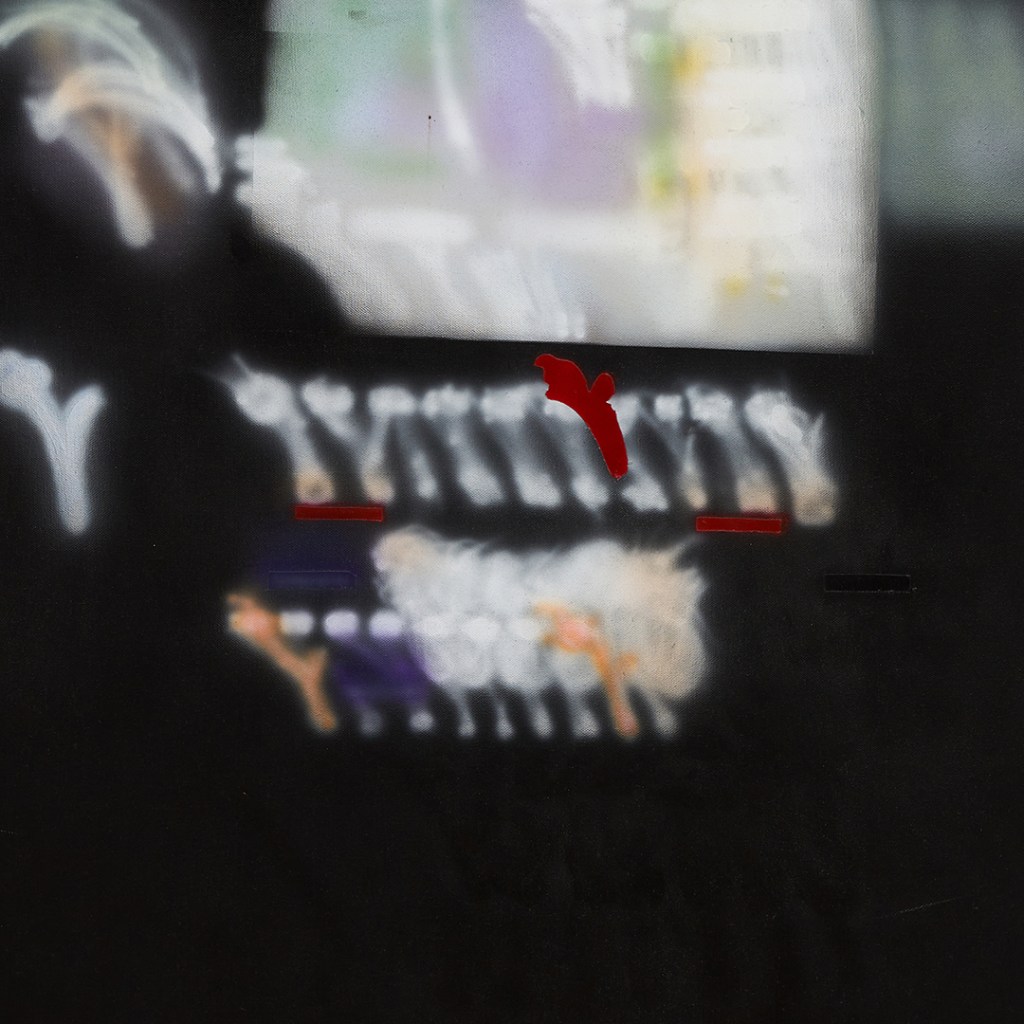
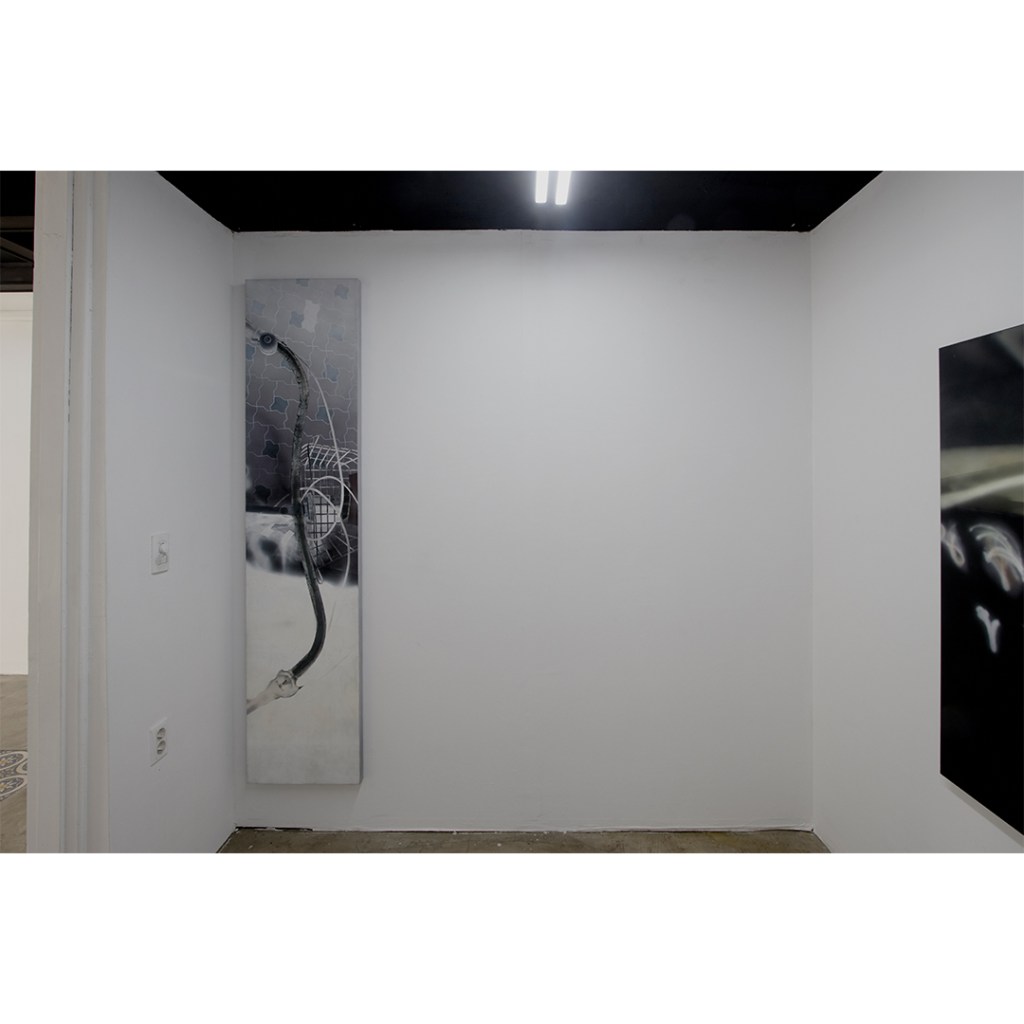
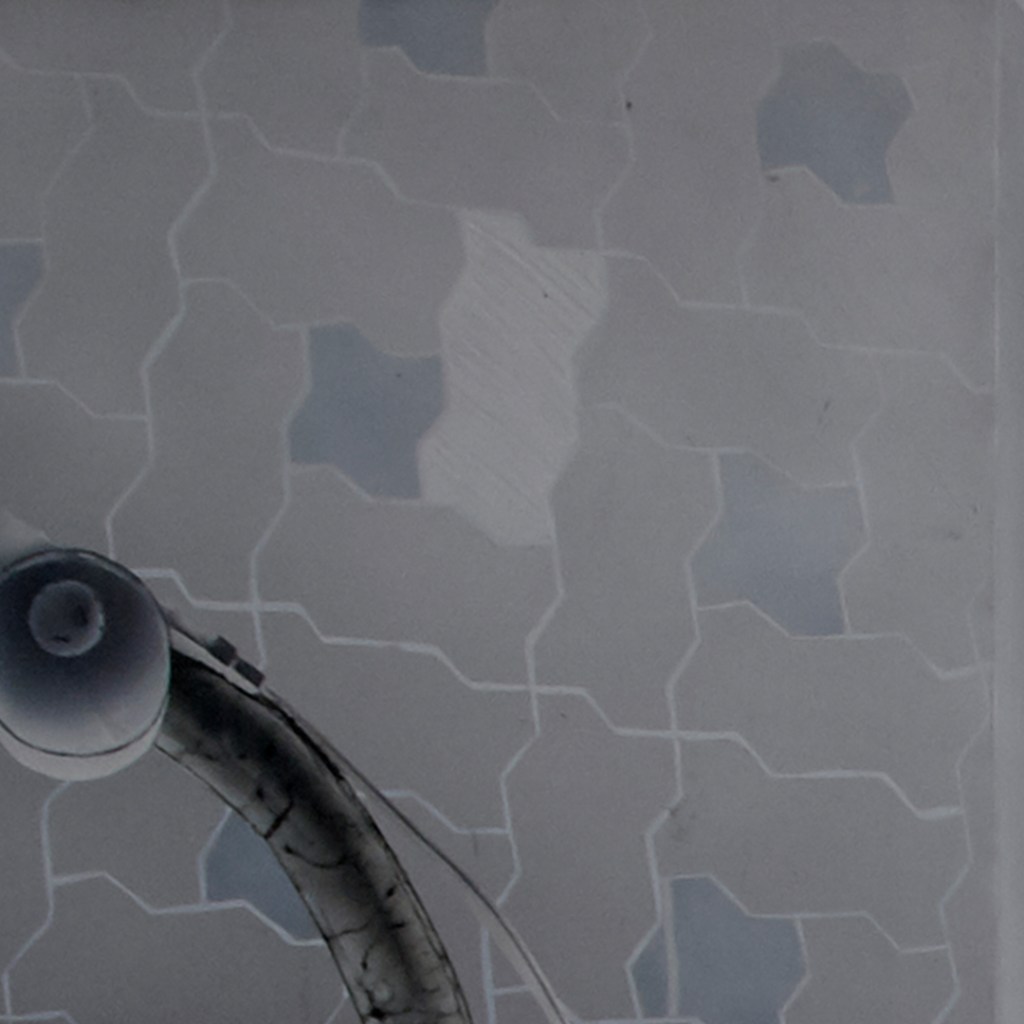
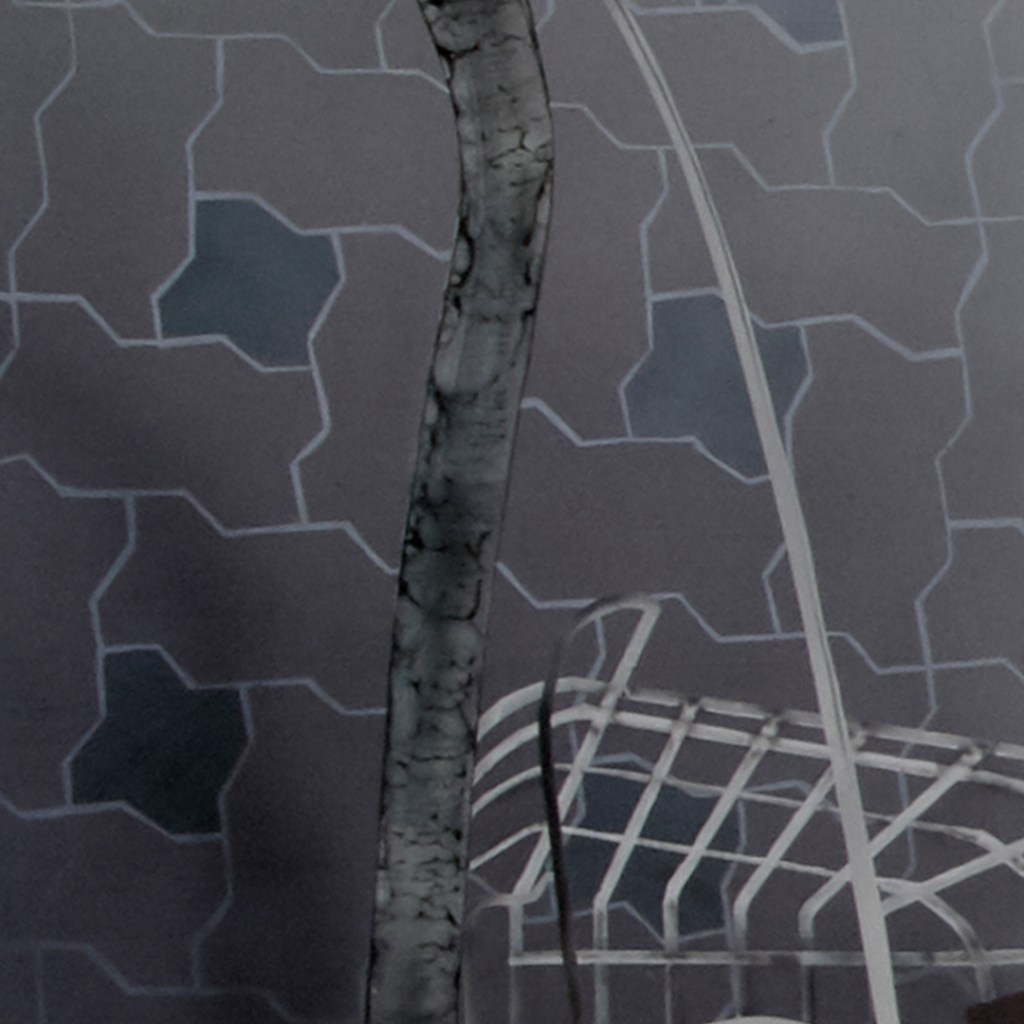
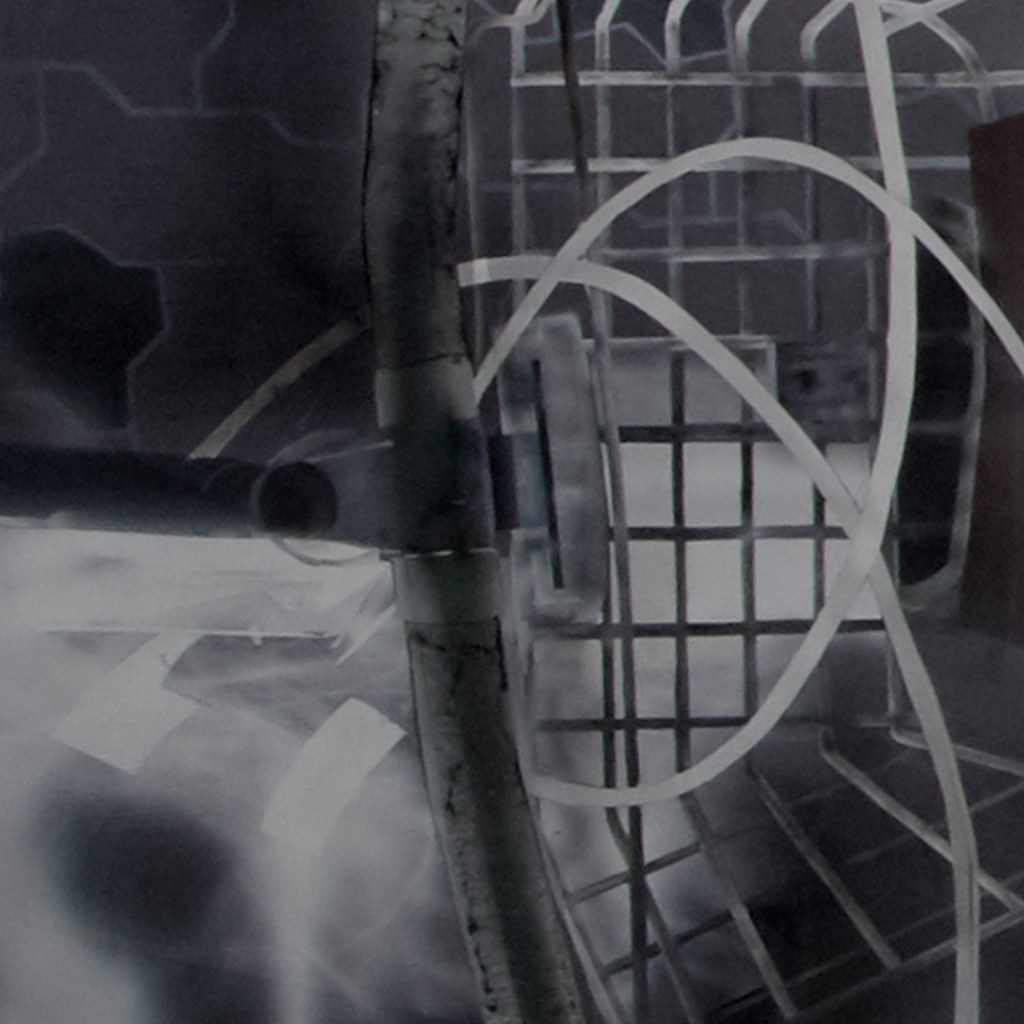
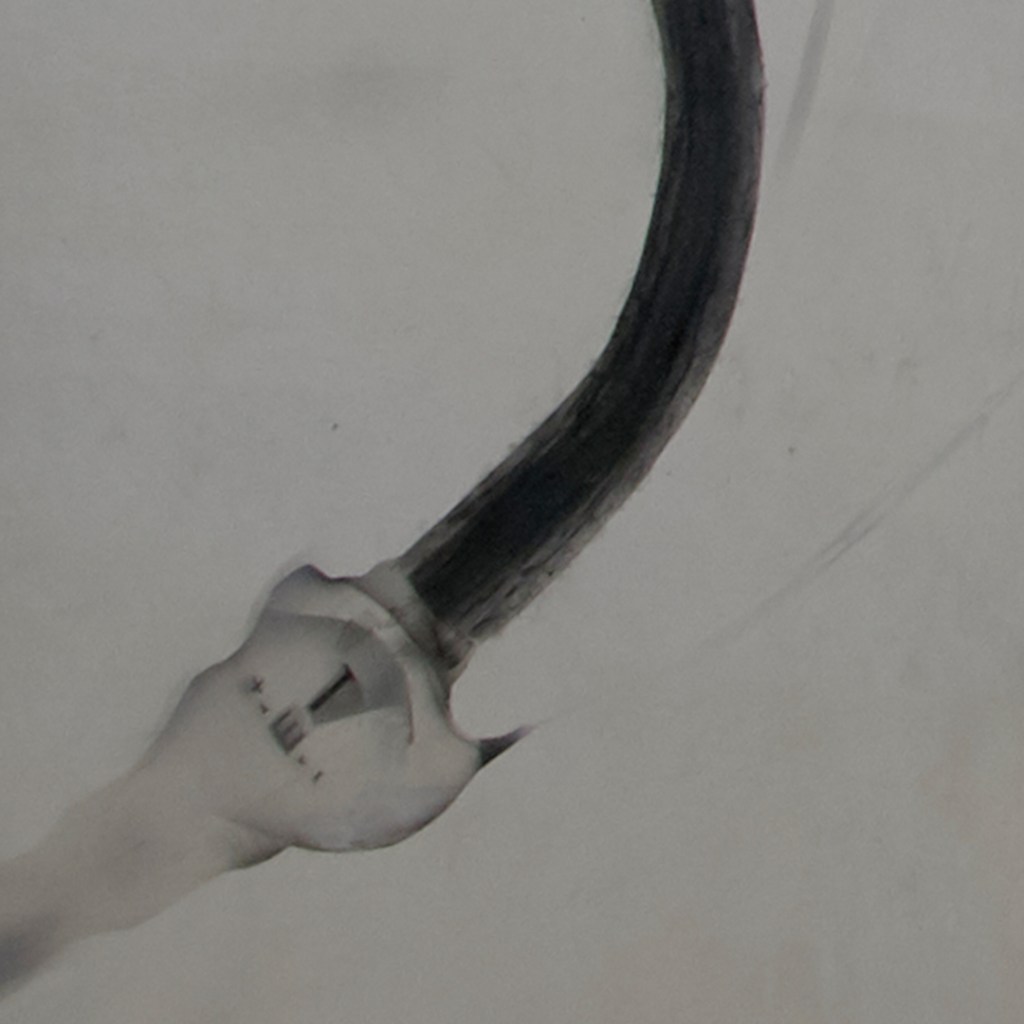
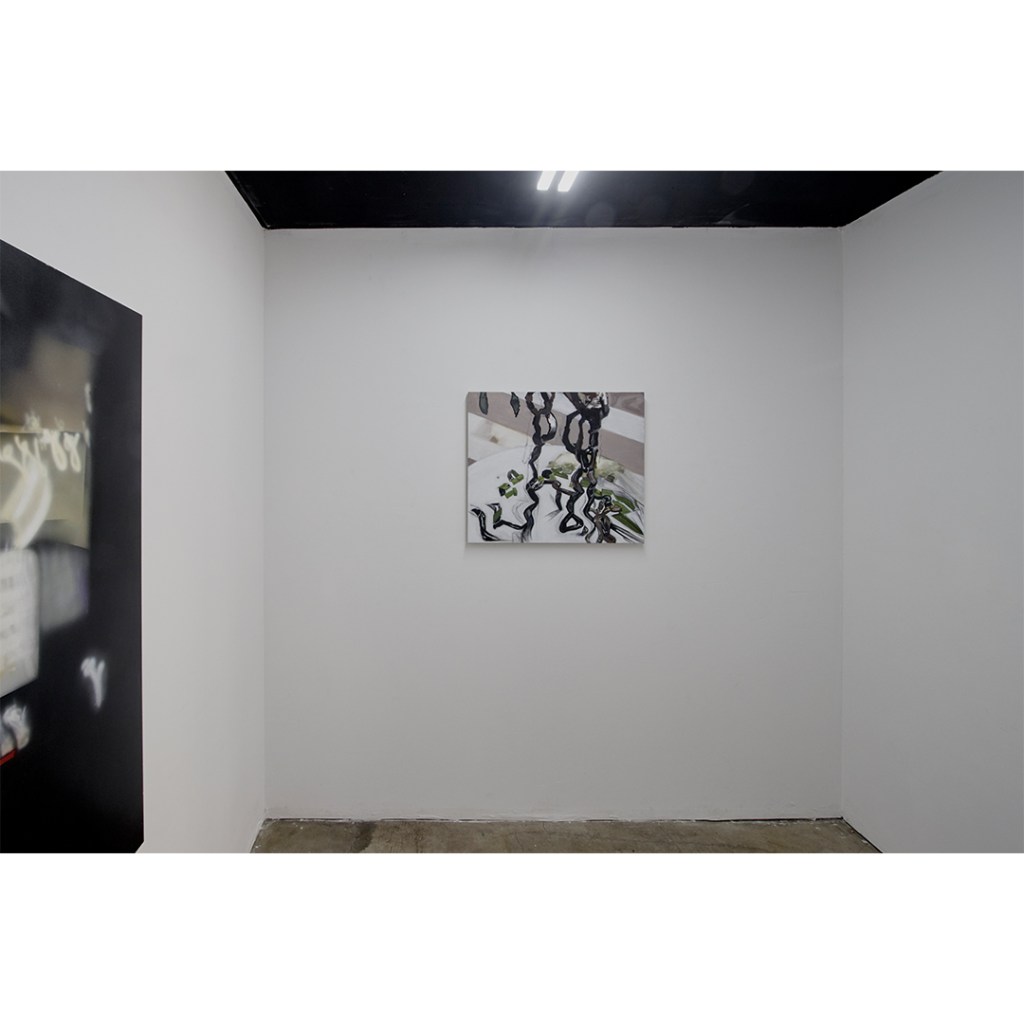
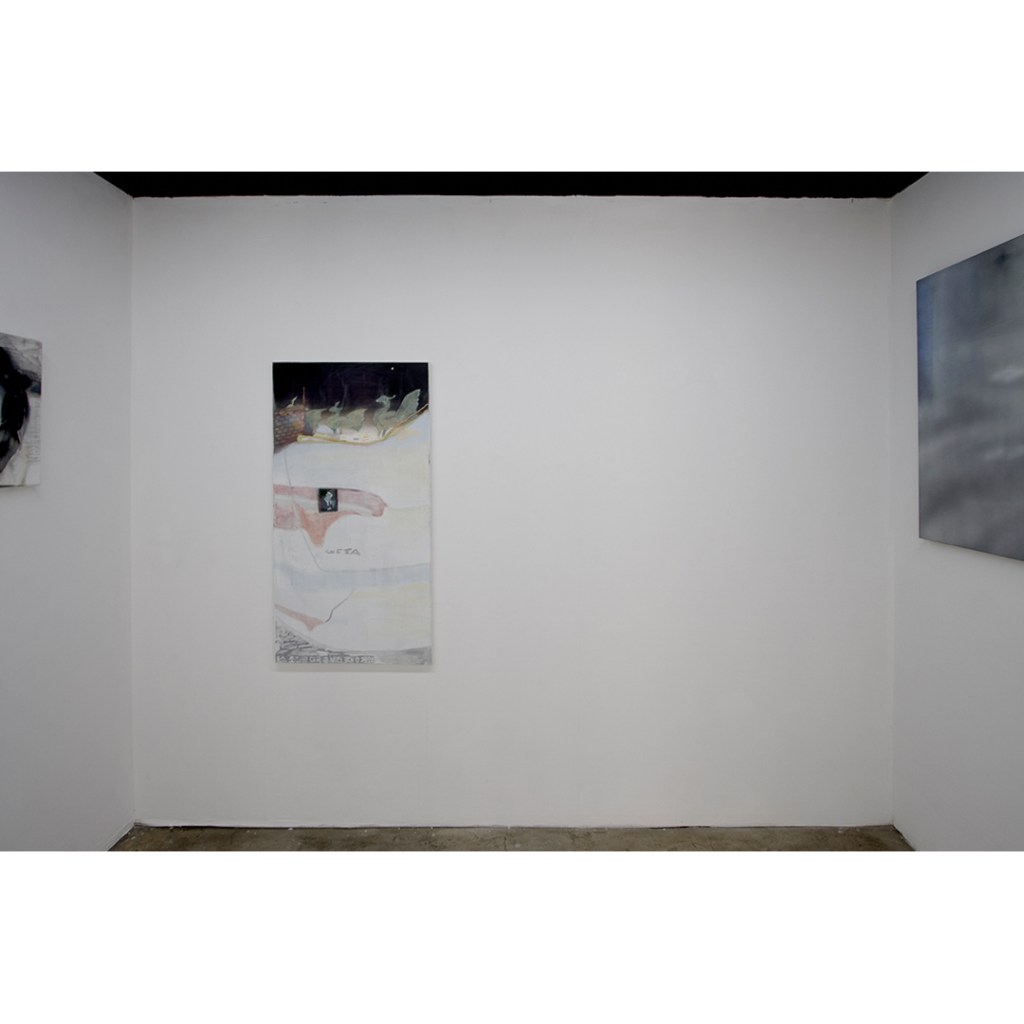
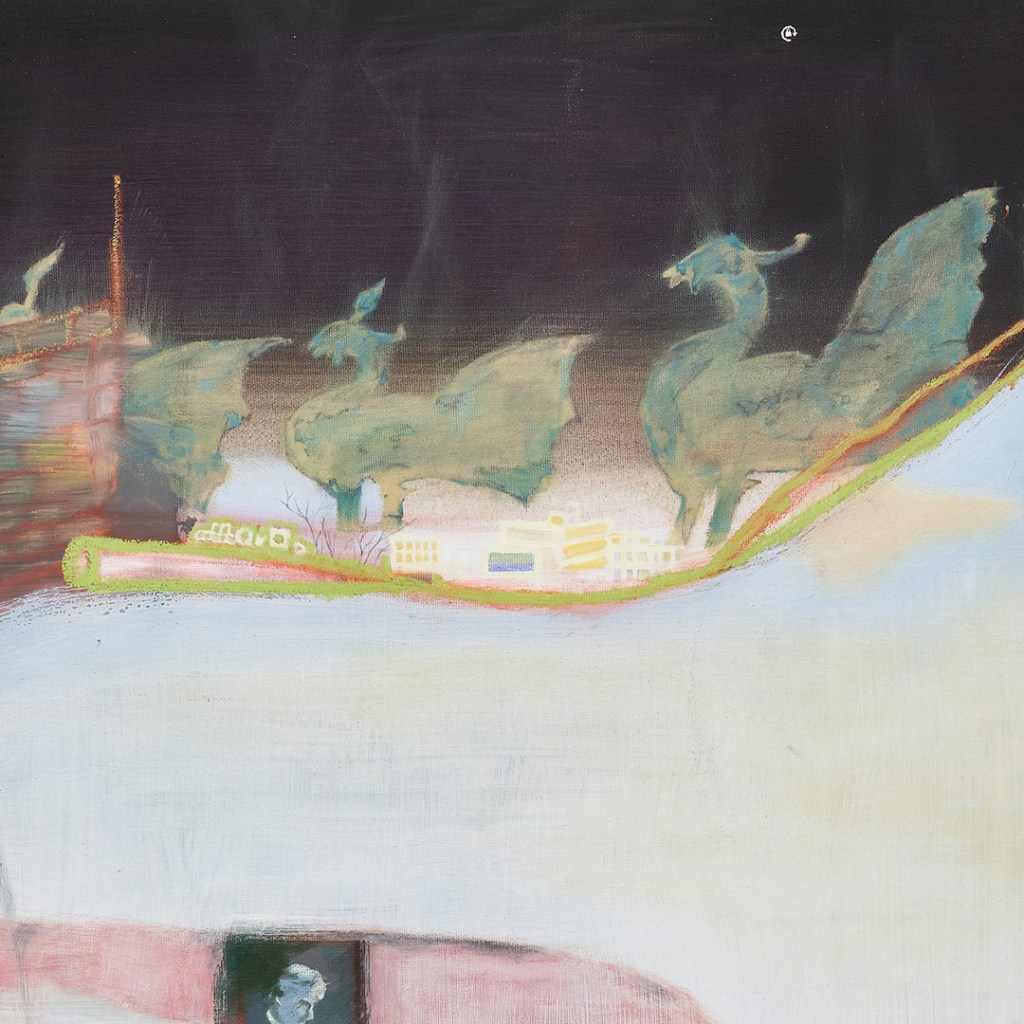
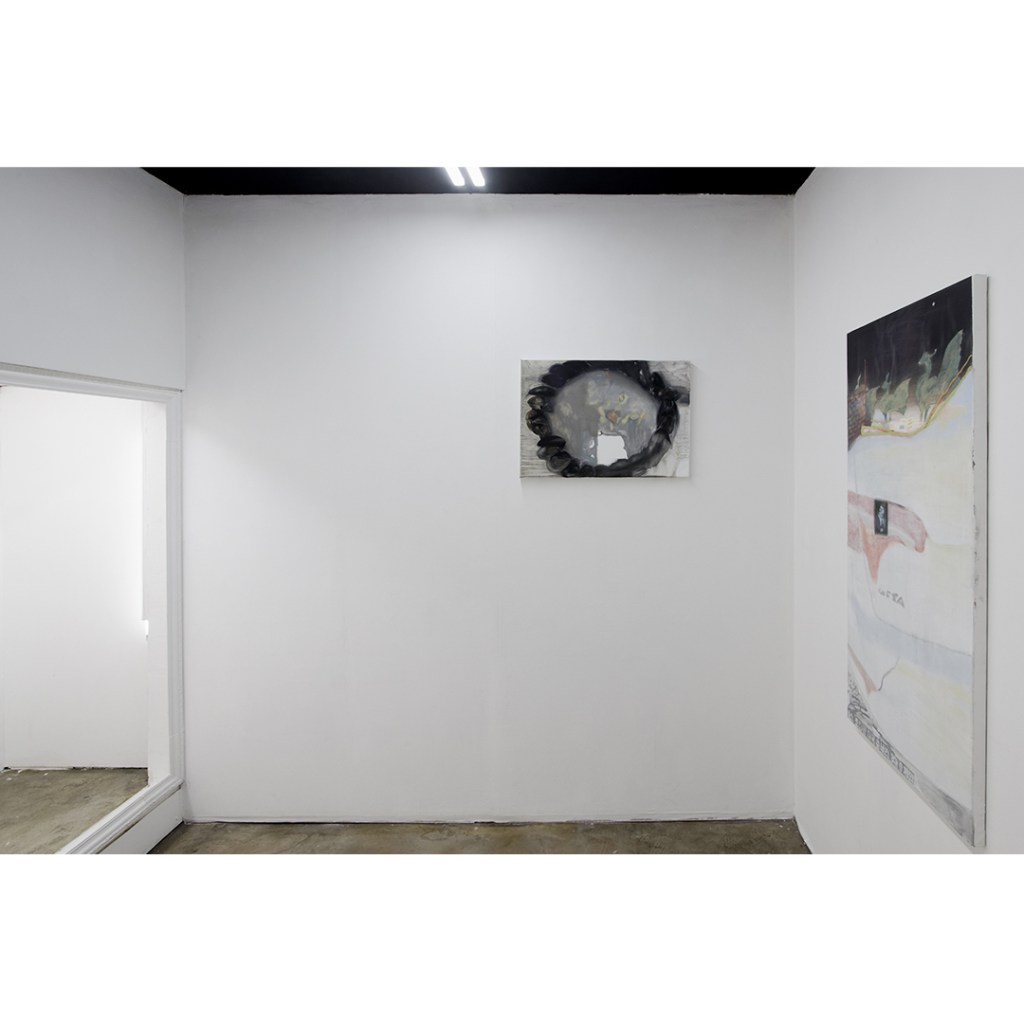
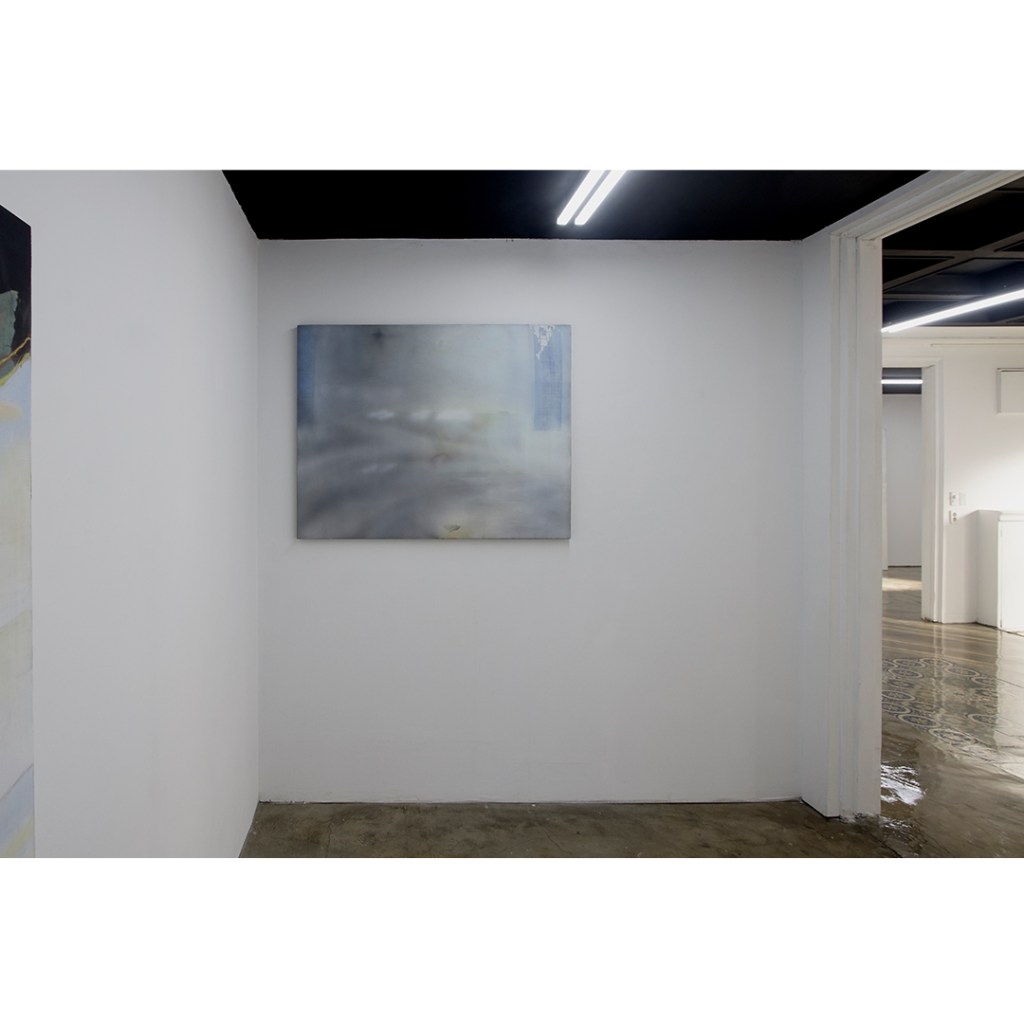
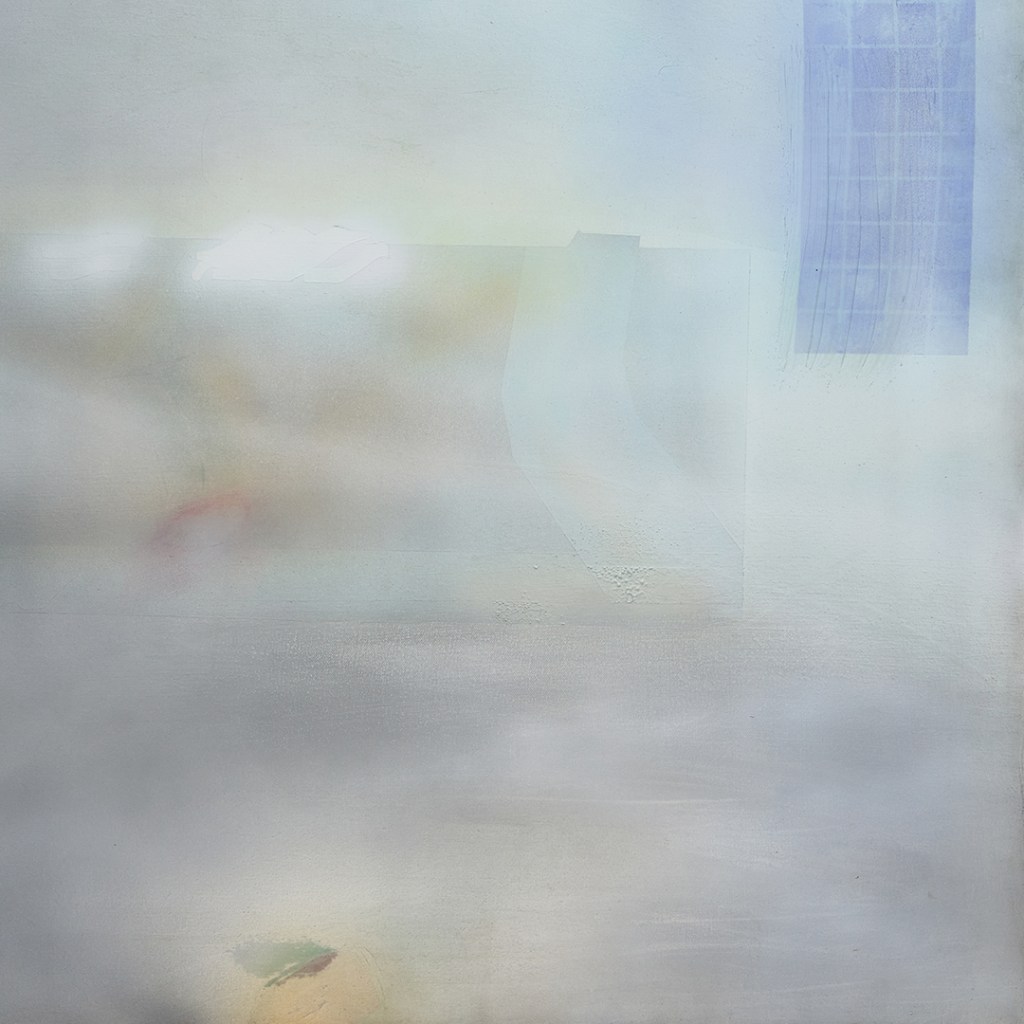
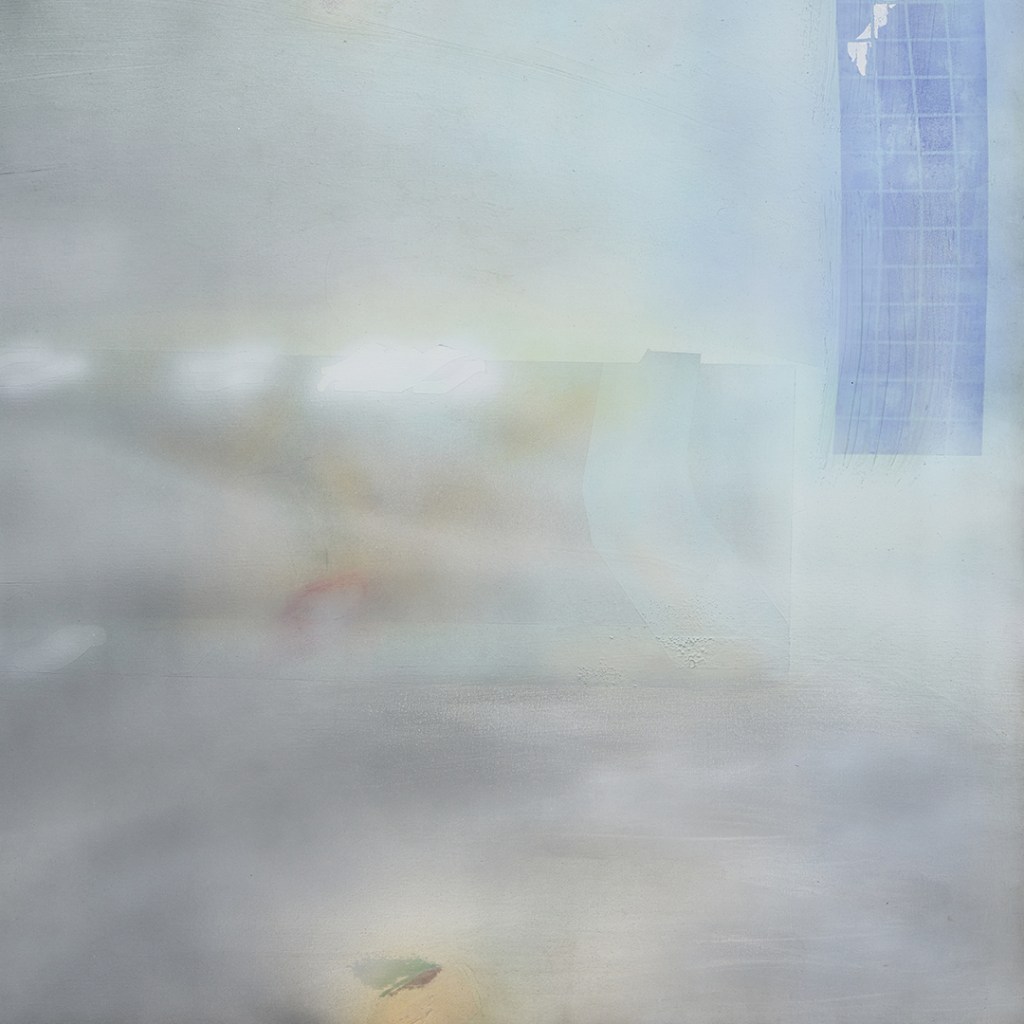
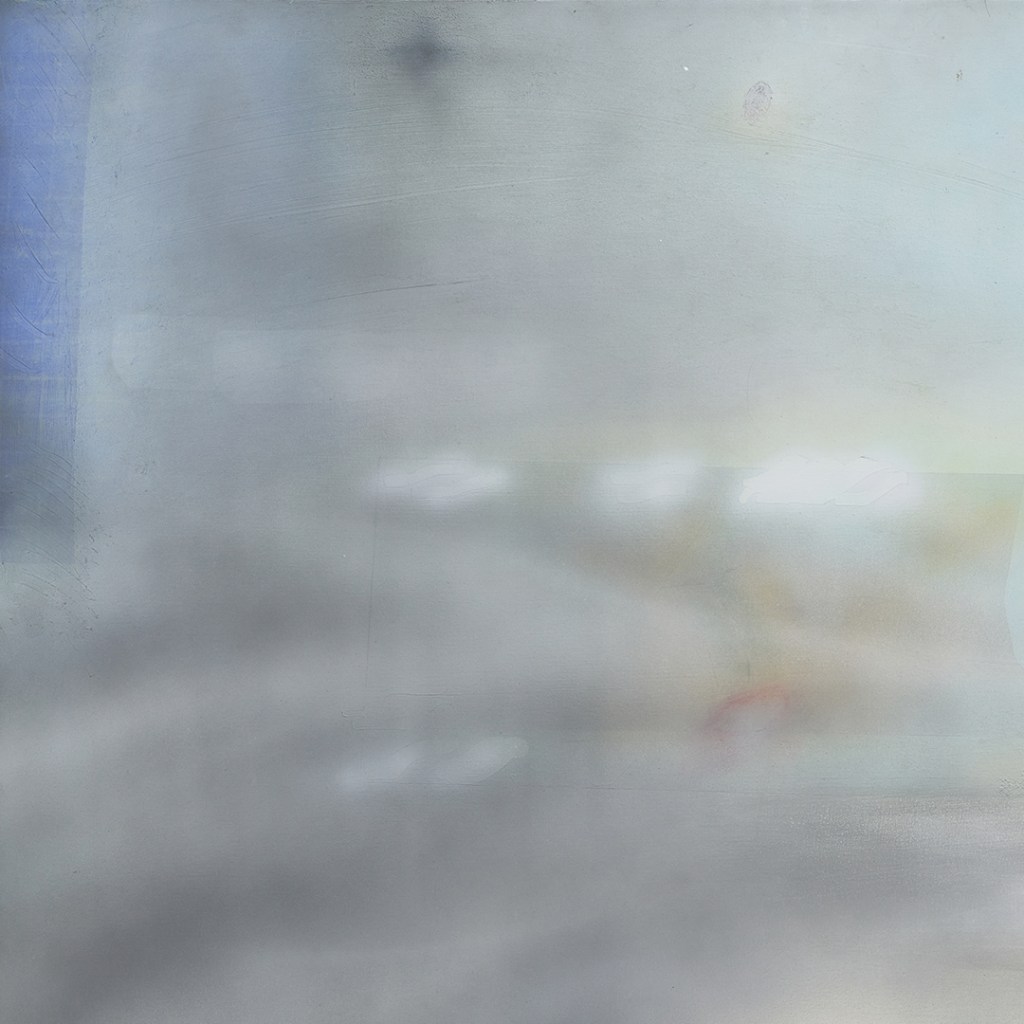
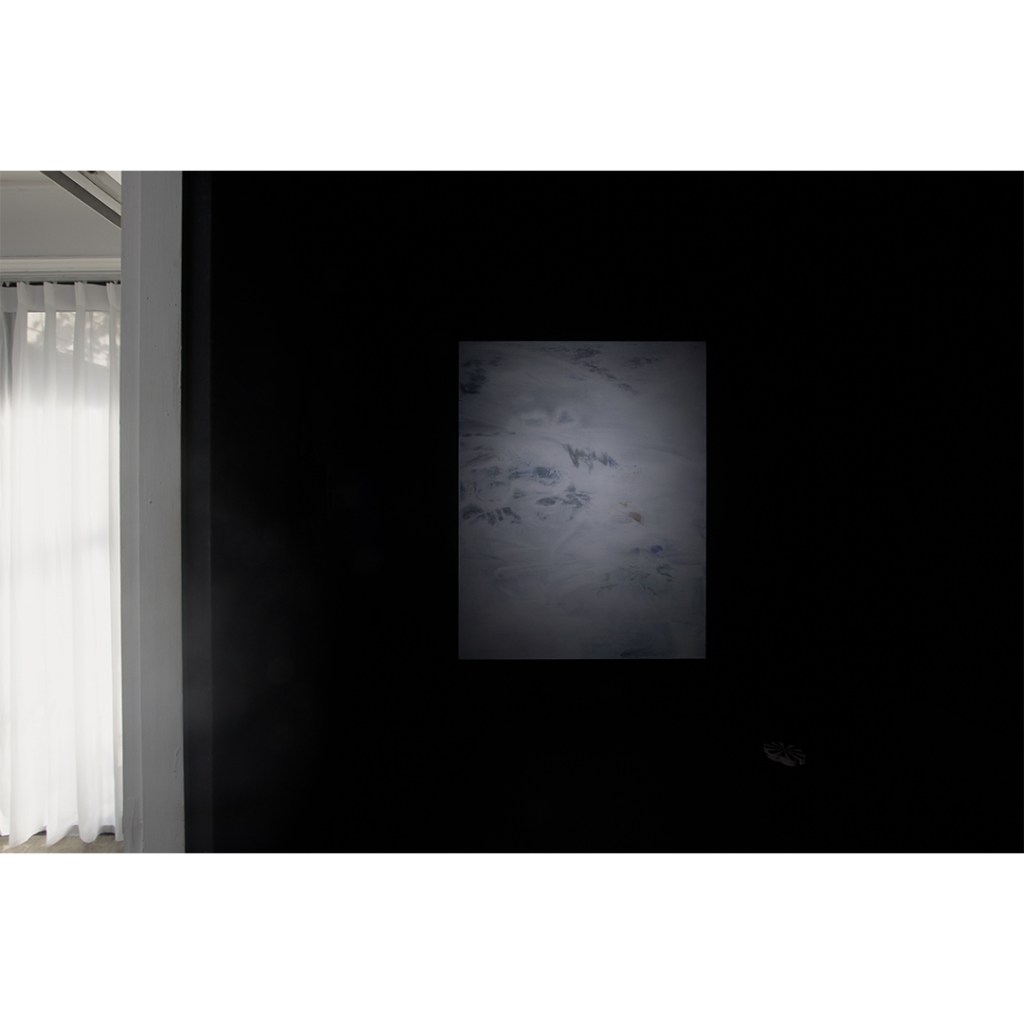
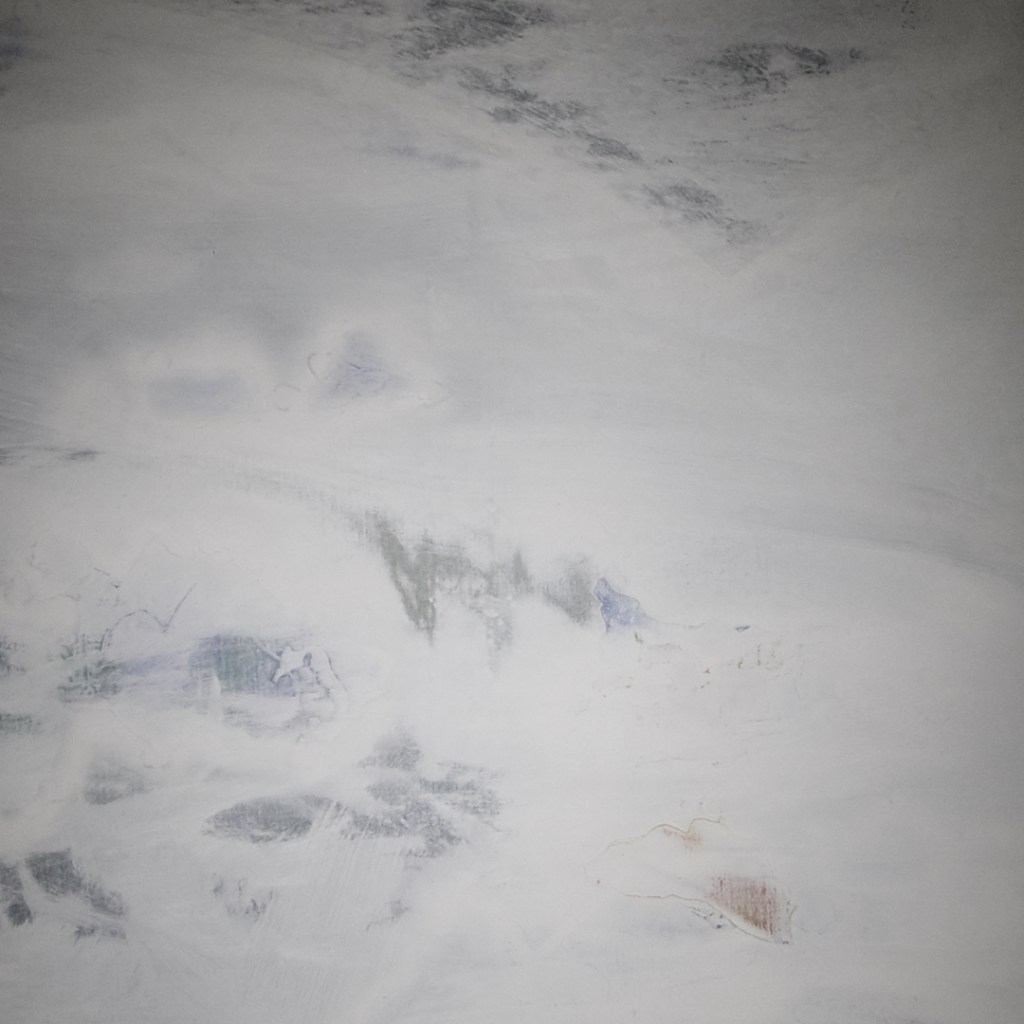
2023 Exhibition and curating : ≪Joel≫
Ghimgilly
Chaeheun Park
10 Nov – 23 Nov 2023 (monday off)
13:00 – 19:00
RAINBOWCUBE, 6-19, Tojeong-ro 2-gil, Mapo-gu, Seoul
Curation Avantgarderevolving!door
Text Yeshin Lee
Translation Jihun Jung
Documentation Ian Yang
Supported by GWCF(강원문화재단)
Click to see more about
2023 Exhibition, curating and artwork : ≪GURGLE Ꮆㄩ尺Ꮆㄥ乇❡☋☈❡↳€!-It was just an accident!≫
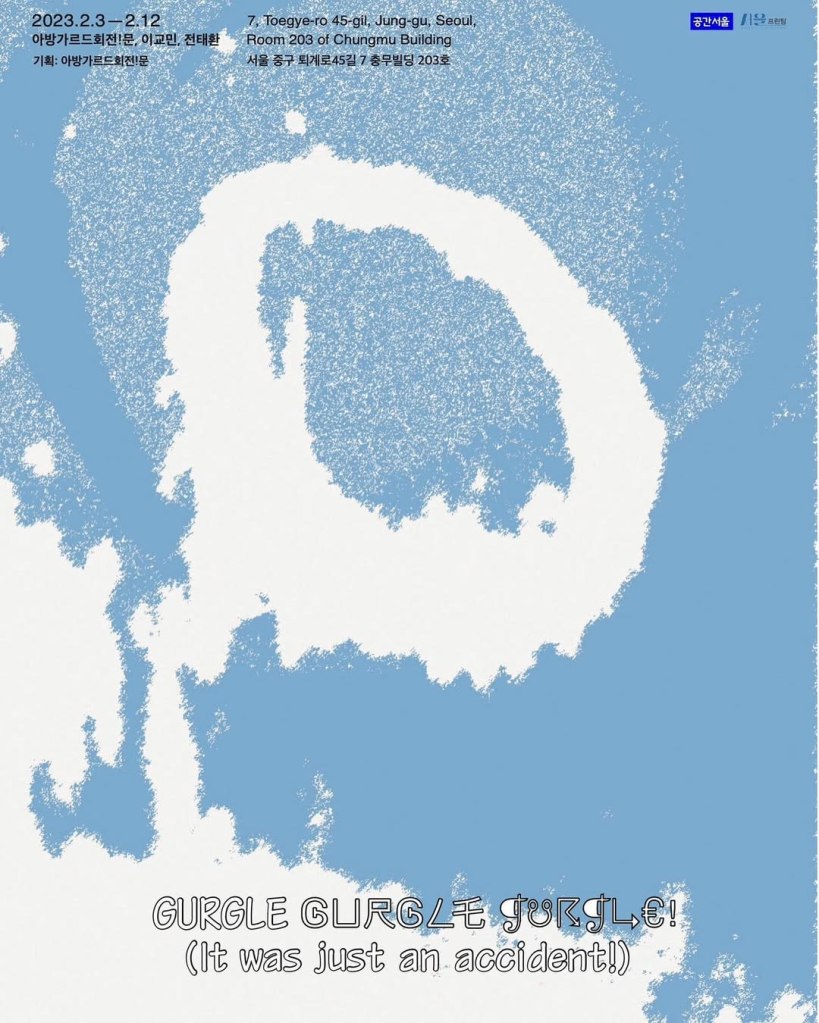
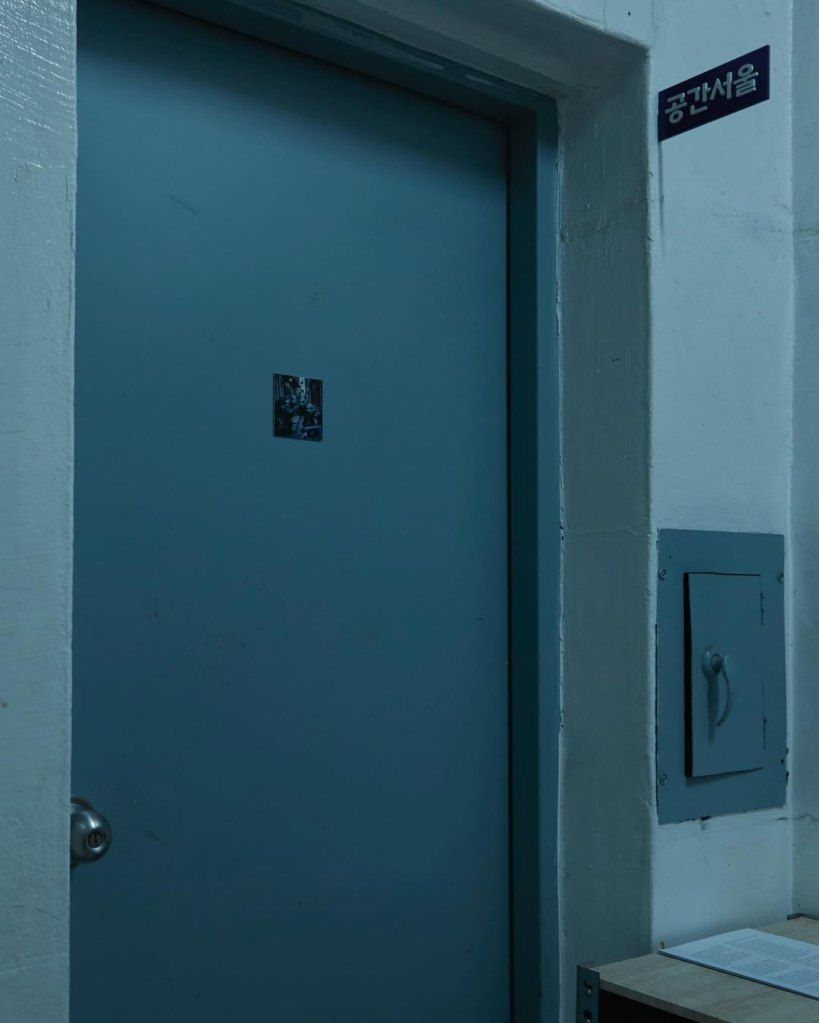
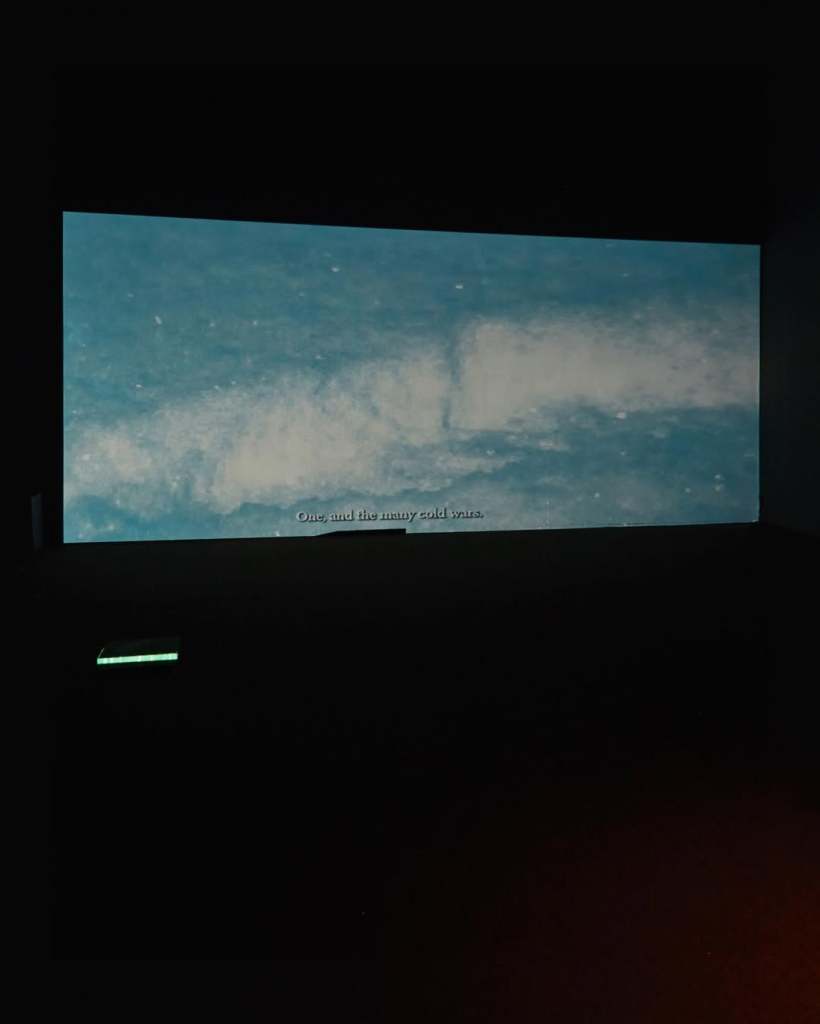
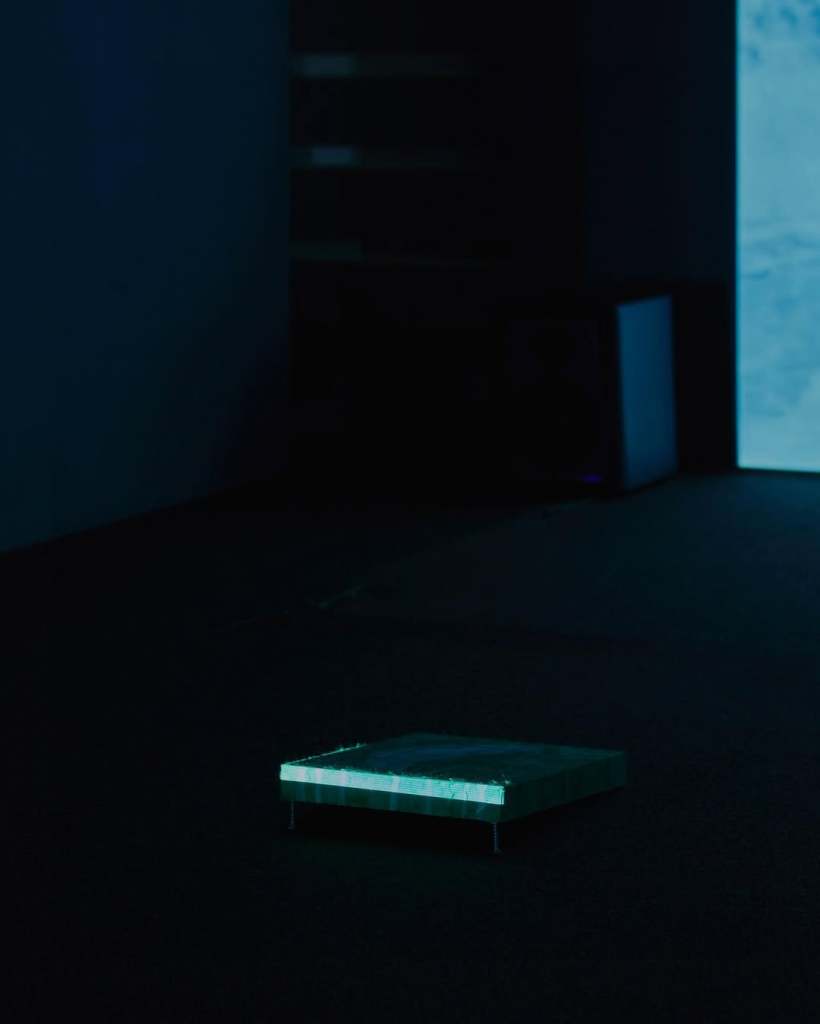
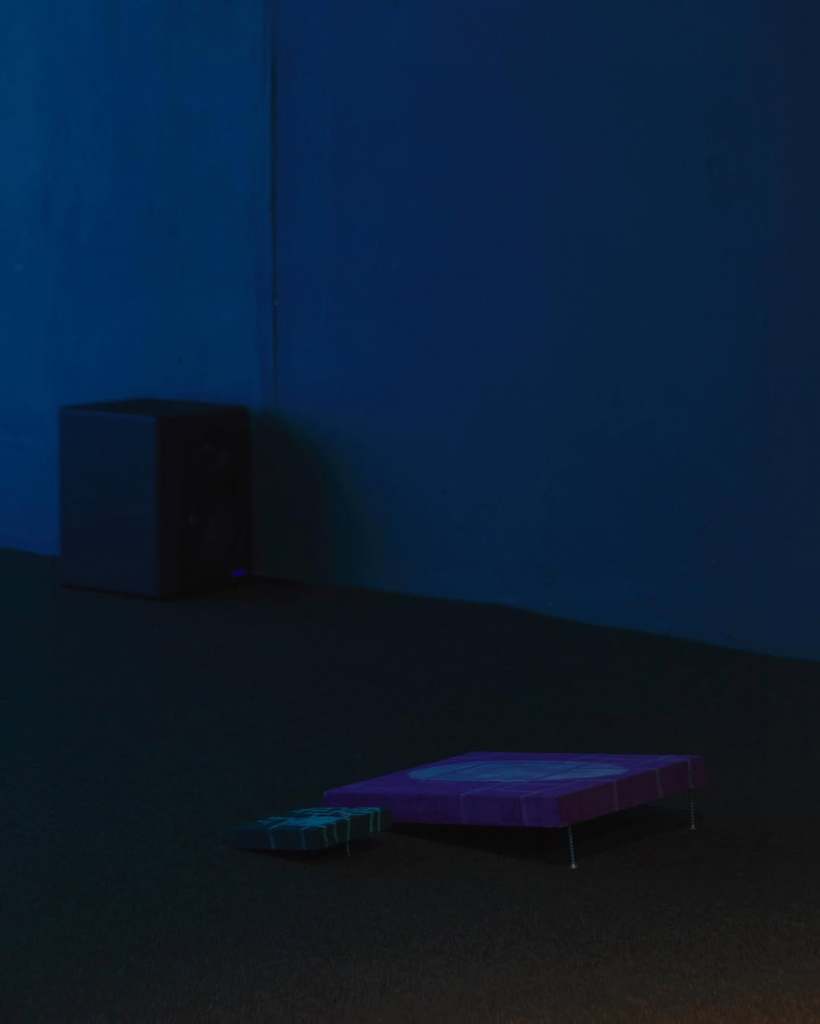
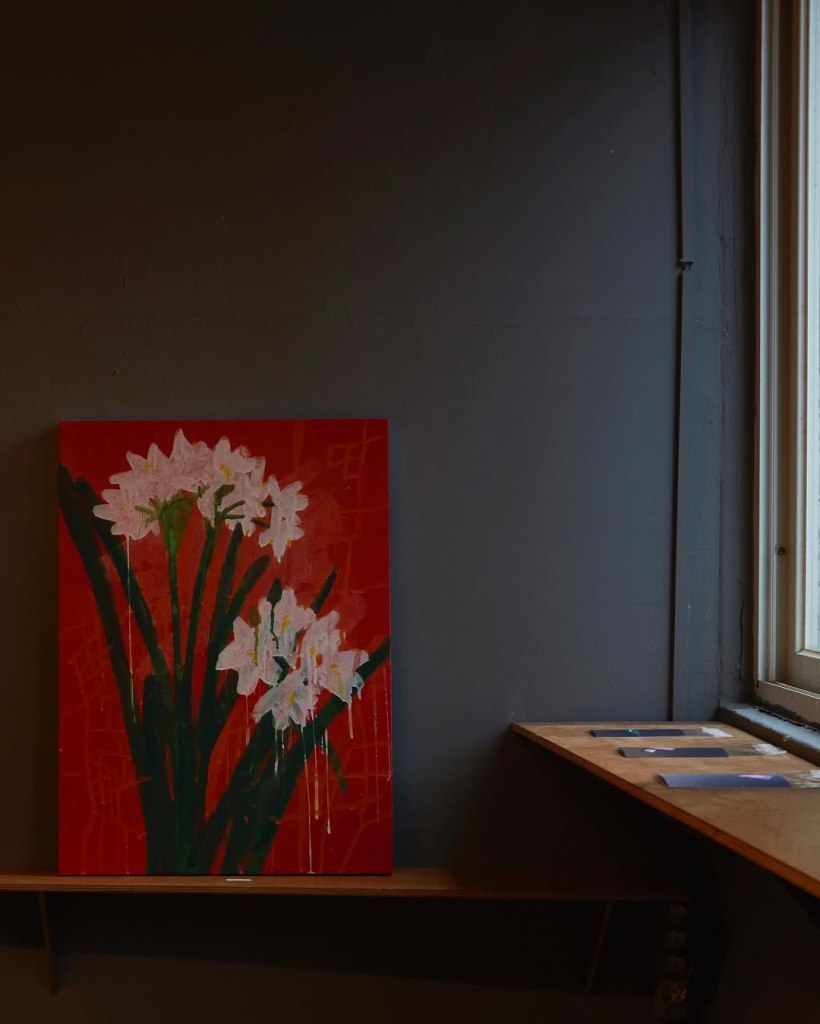
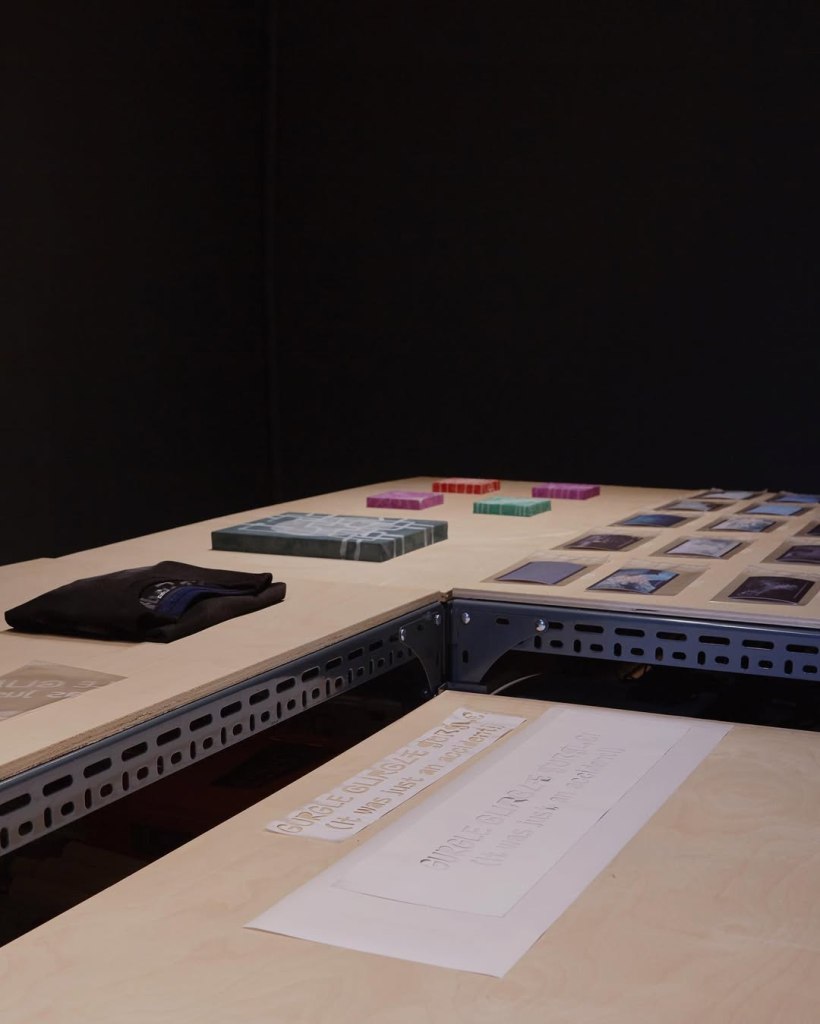
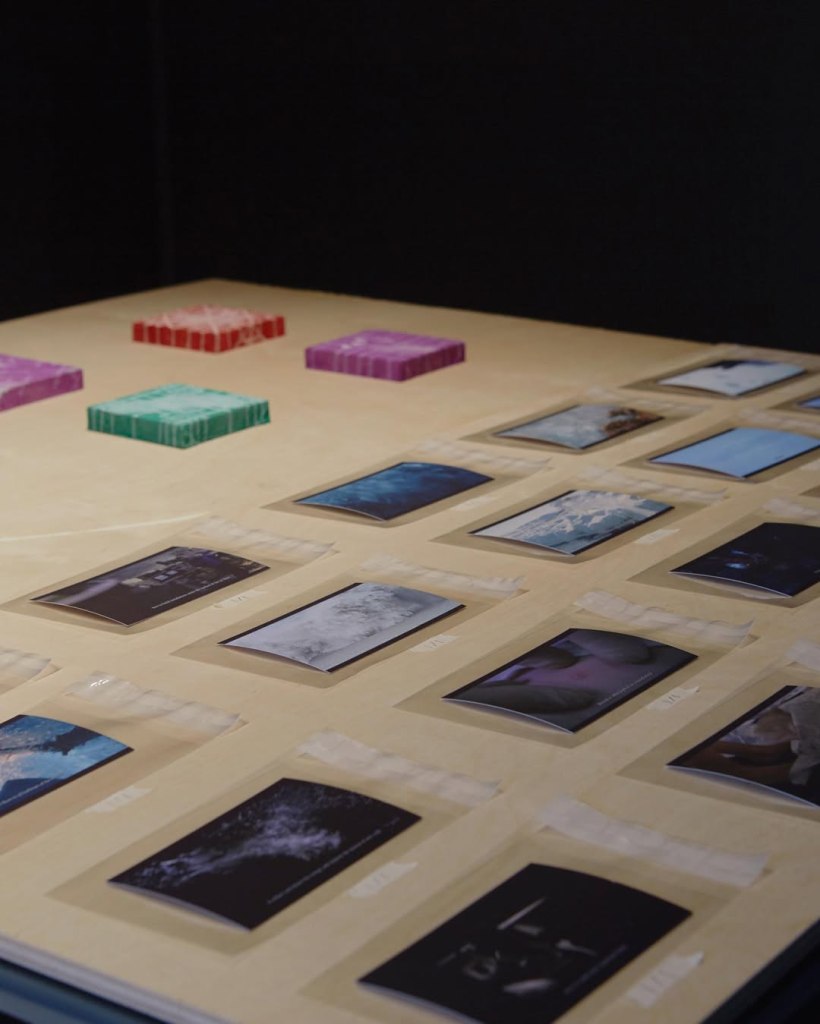
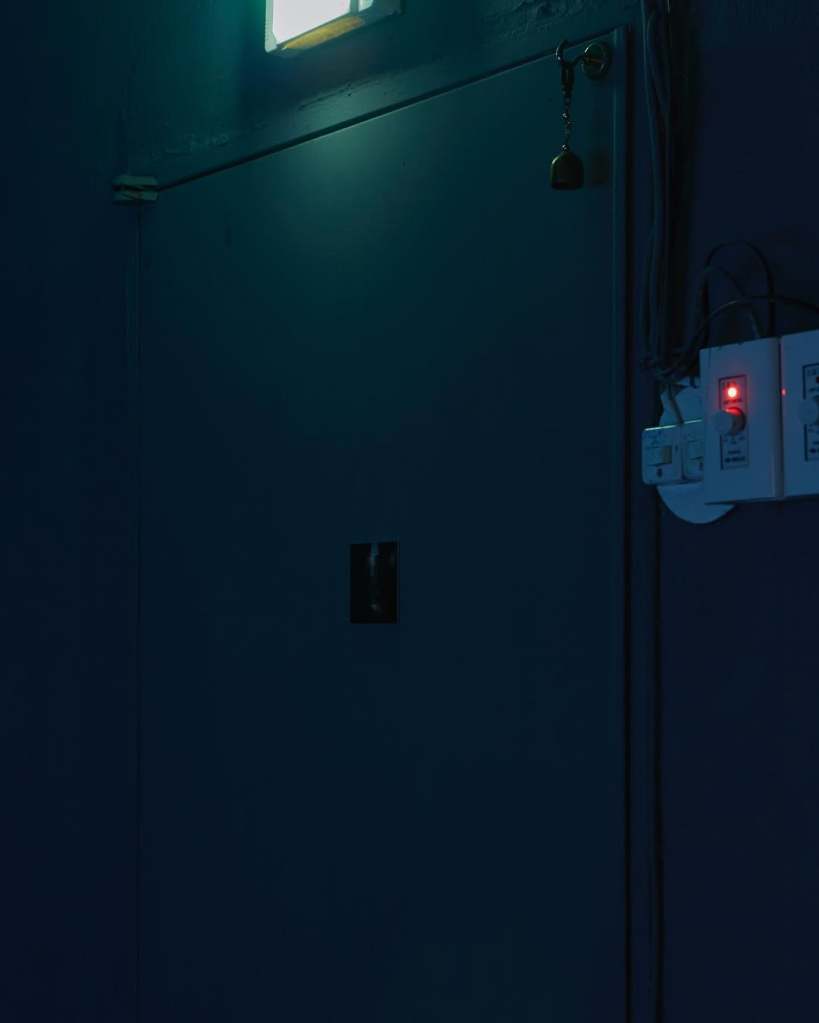
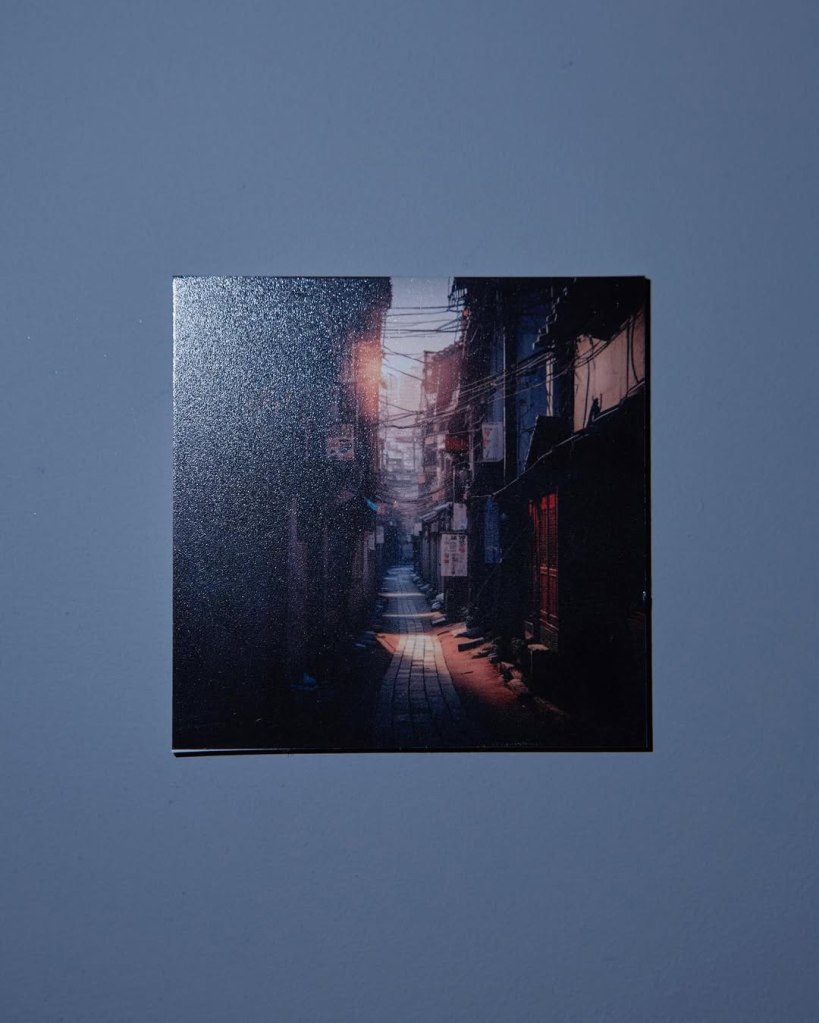
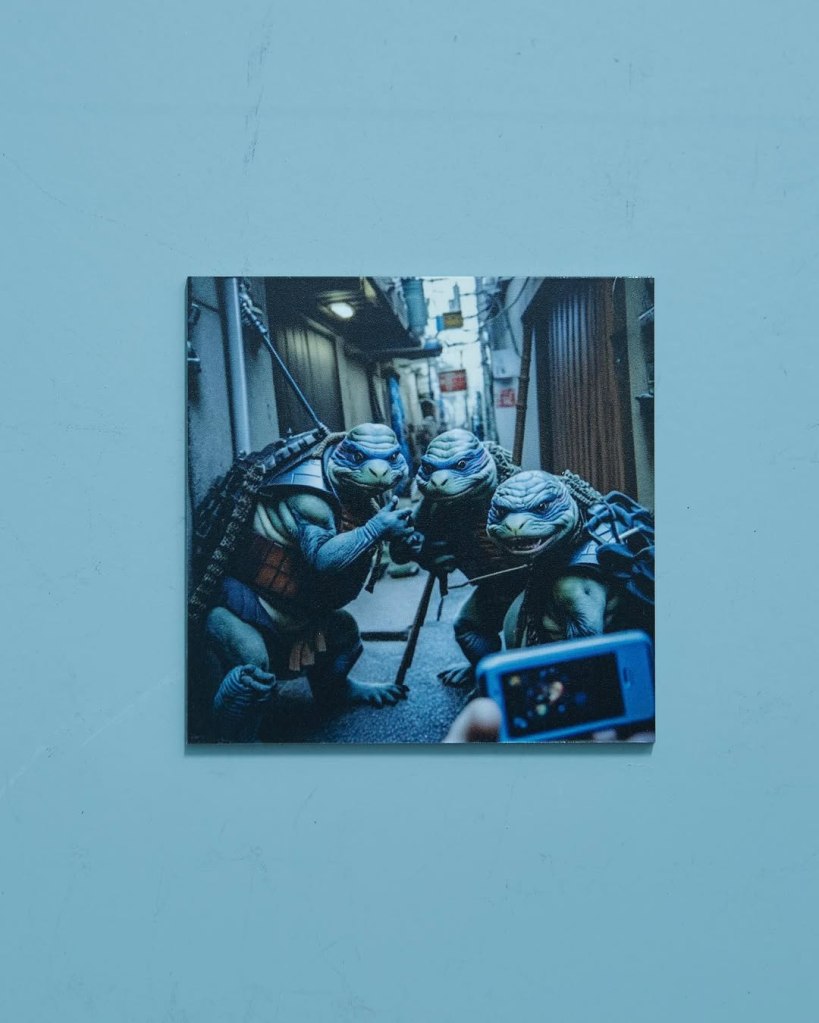
2023 Exhibition, curating and artwork : ≪GURGLE Ꮆㄩ尺Ꮆㄥ乇❡☋☈❡↳€!-It was just an accident!≫
2023.2.4(금)-2023.2.12(일) 13시~19시
충무빌딩 203호 공간서울
지난 4년간 100여 명의 작가들에게 서울이라는 풍요로운 기반을 제공해 주었던 공간서울이 이별의 순간을 앞두게 되었습니다. 아방가르드회전!문은 공간서울과 다시 만날 내일을 상상하며 전시≪GURGLE Ꮆㄩ尺Ꮆㄥ乇❡☋☈❡↳€!-It was just an accident!≫>를 준비했습니다. 여러분에게 남겨질 공간서울의 비전이 멀거나 가까운 미래에 우연처럼 다시 떠오르는 시간을 기다리며.. 안녕! 공간서울!
참여 작가
아방가르드회전!문
이교민
전태환
기획
아방가르드 회전!문
이태원 참사 희생자와 유가족들에게 깊은 애도를 표하며, 삼가 고인의 명복을 빕니다.
Click to see more about
2023 Artwork : A series of custom-made works for the exhibition ≪GURGLE Ꮆㄩ尺Ꮆㄥ乇❡☋☈❡↳€!-It was just an accident!≫
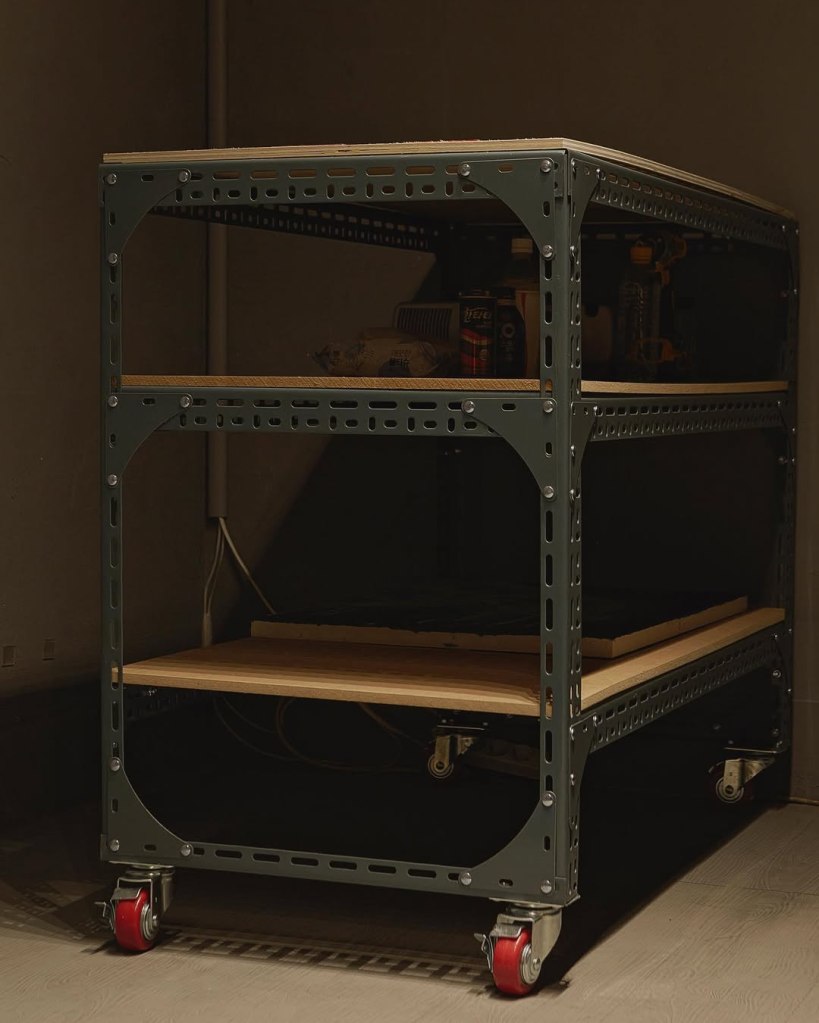
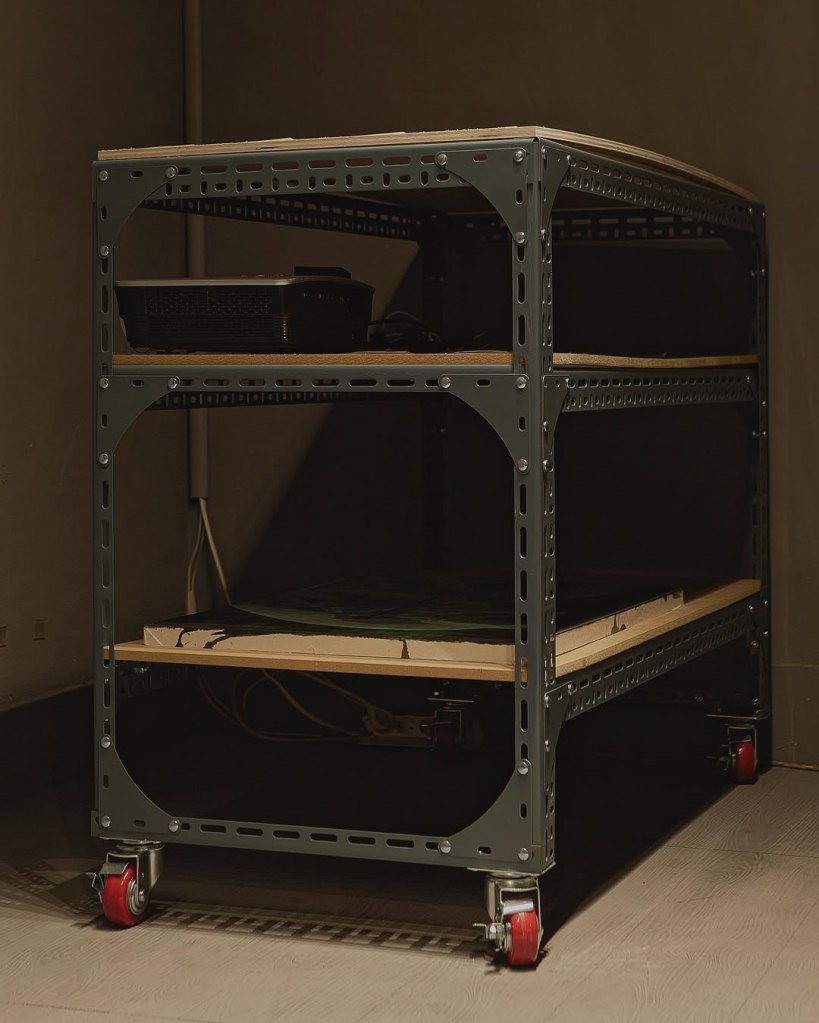
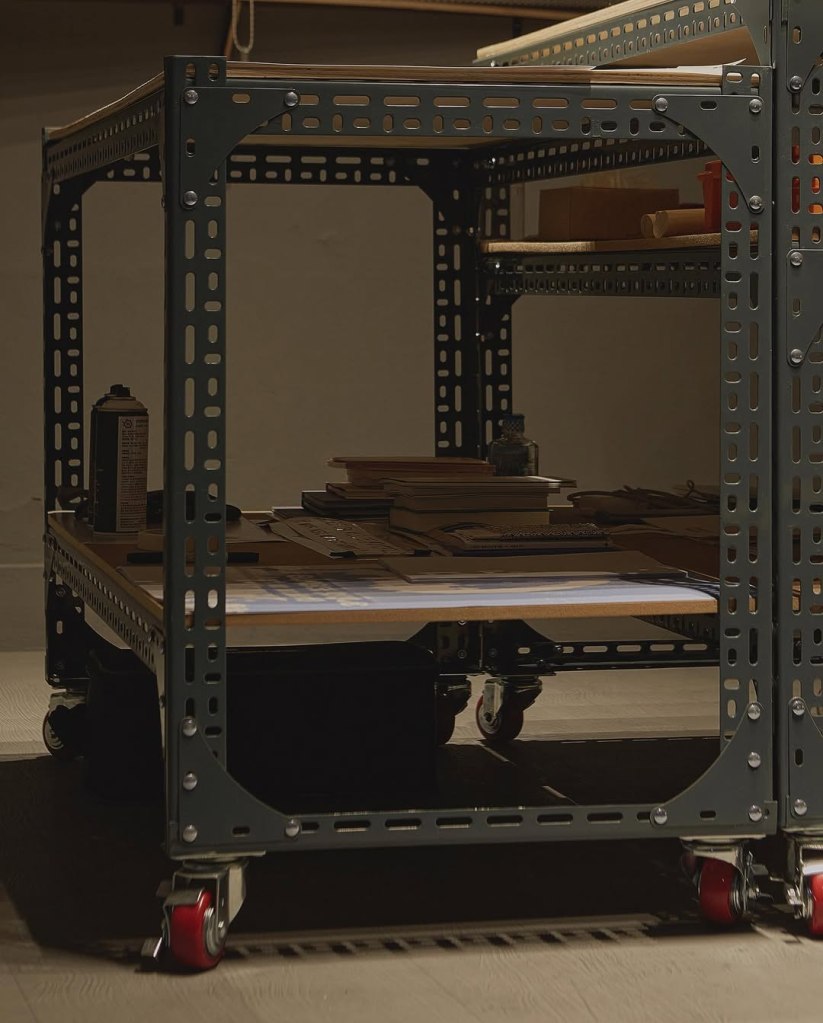
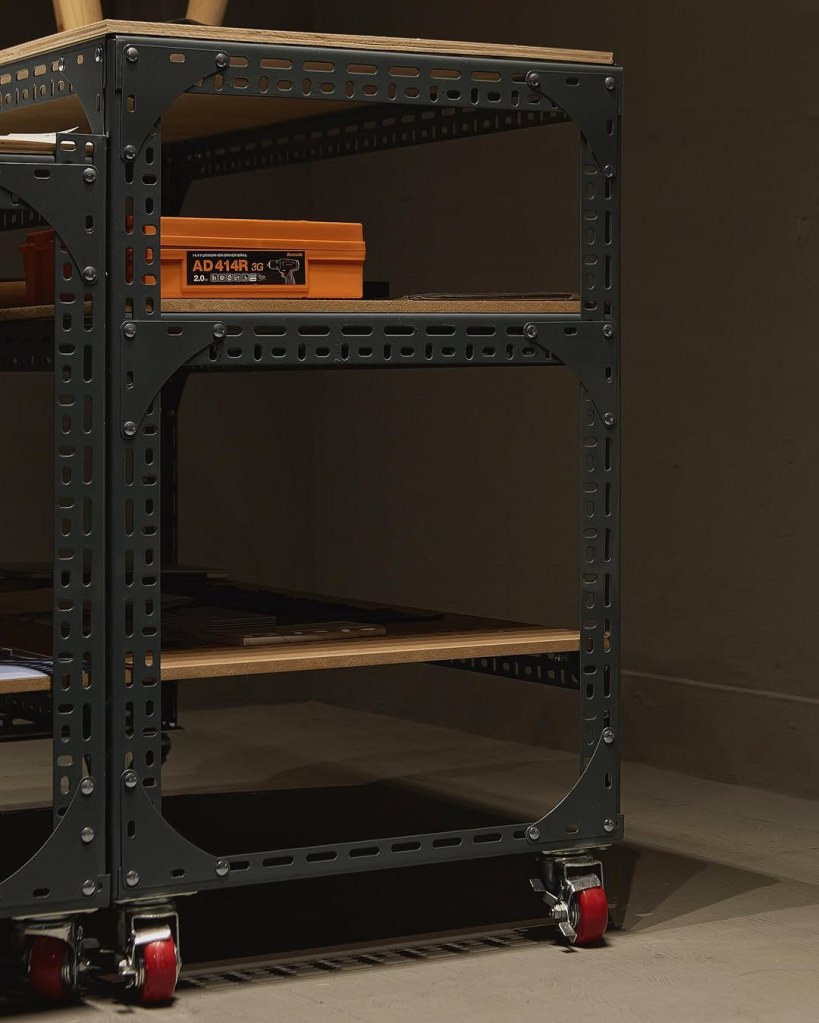
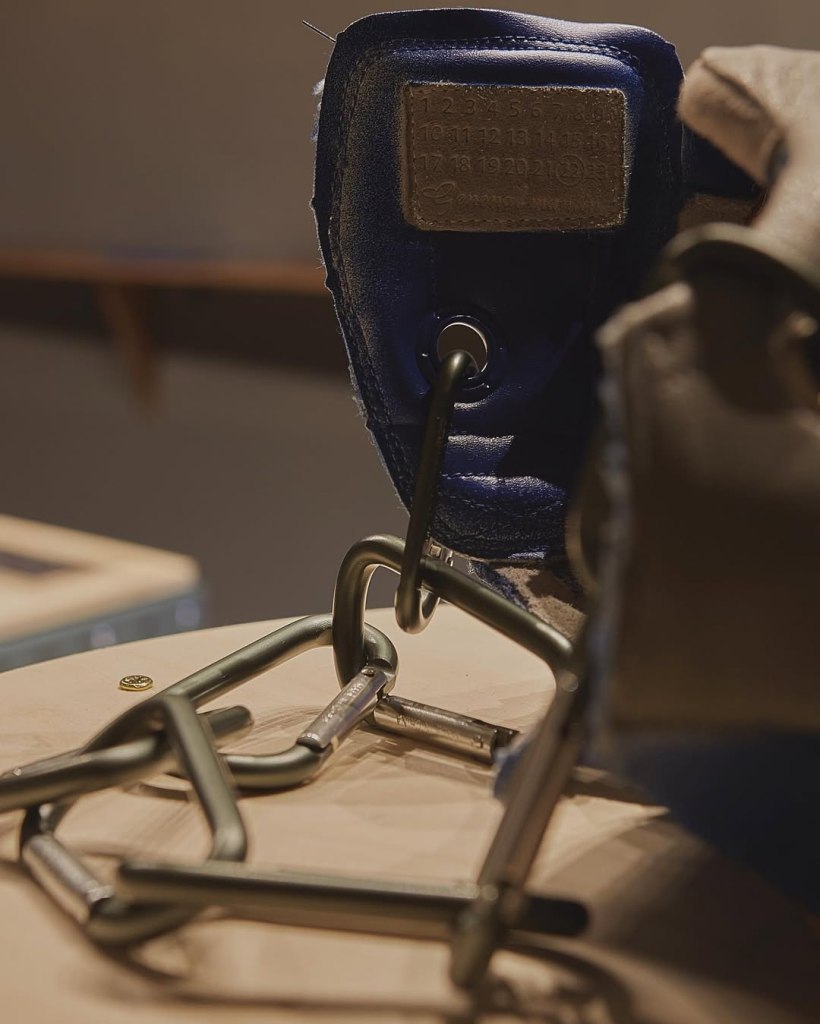
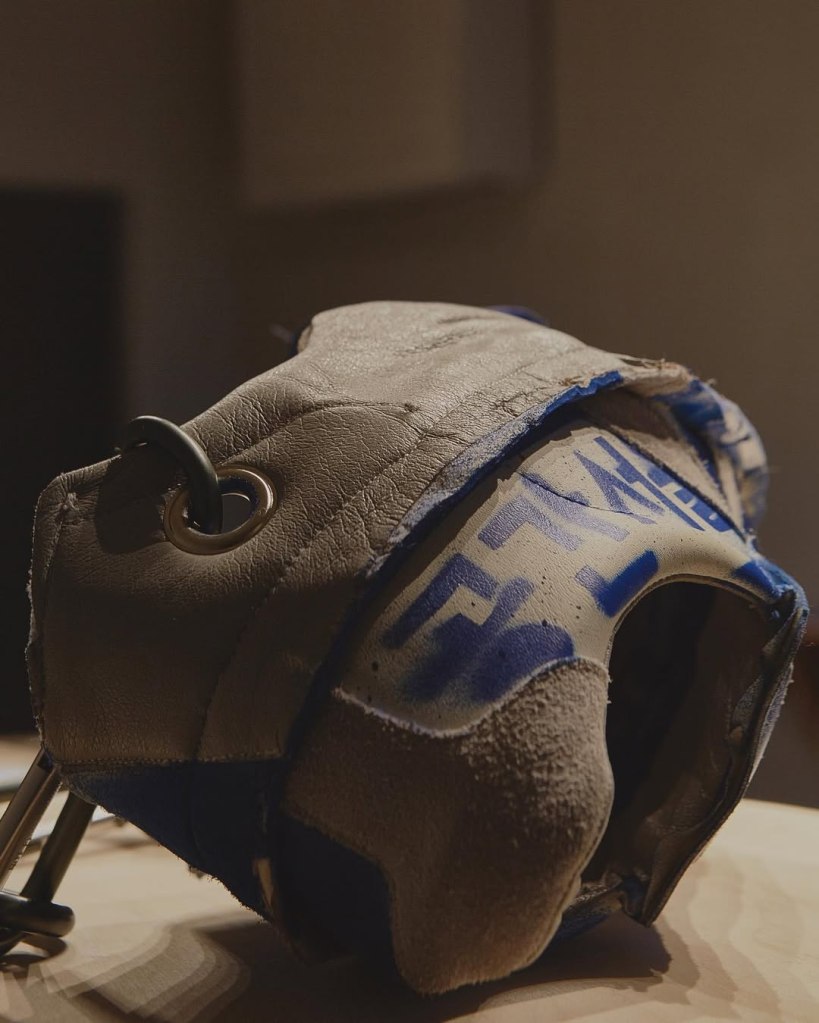
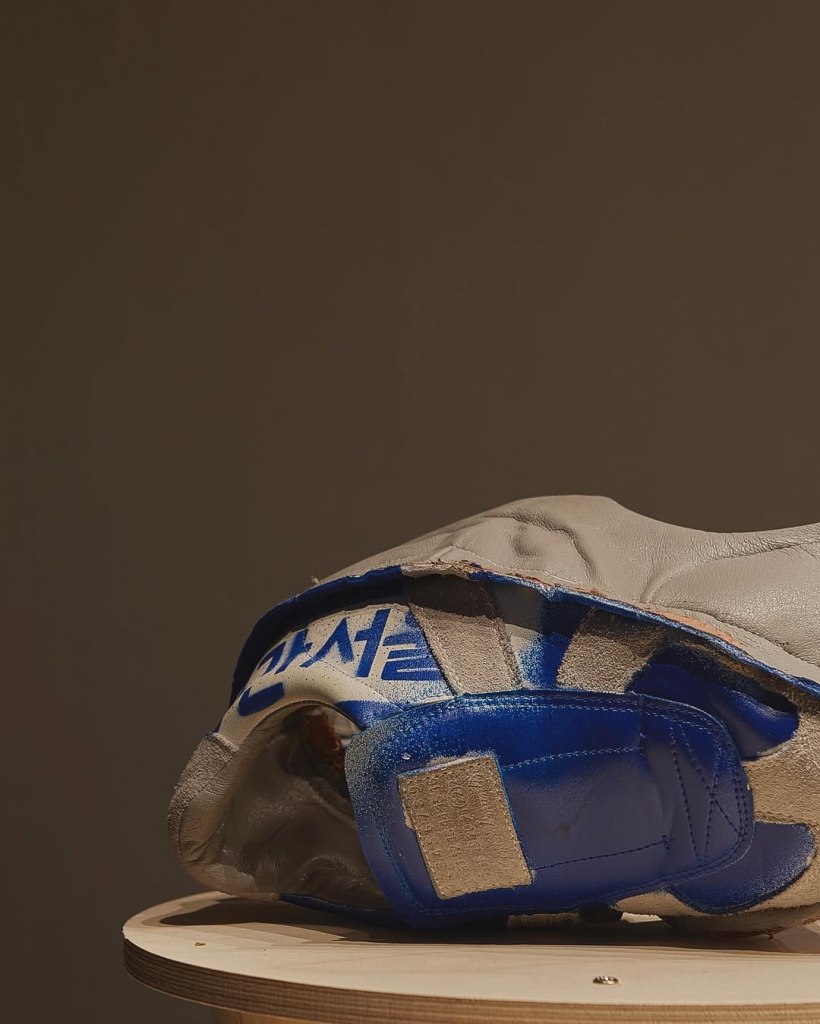
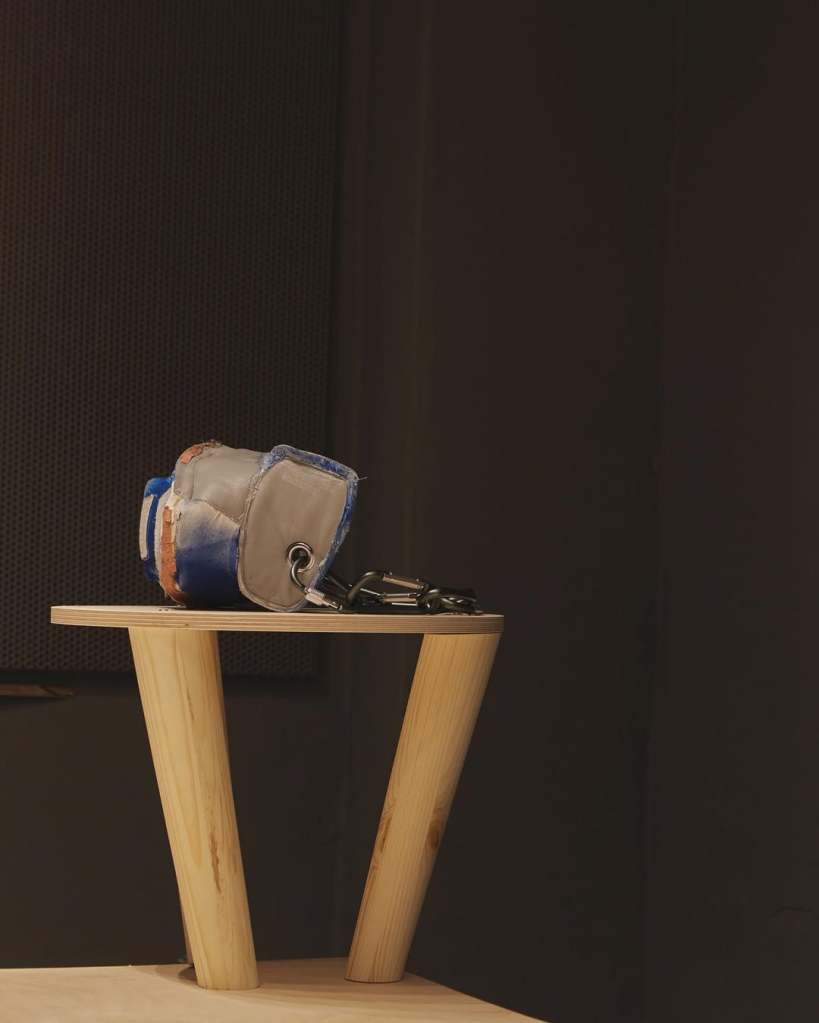
2023 Artwork : A series of custom-made works for the exhibition ≪GURGLE Ꮆㄩ尺Ꮆㄥ乇❡☋☈❡↳€!-It was just an accident!≫
Image 1 : <imagine/Ninja Turtles Taking Selfie in an Alley in Seoul>
Image 2 : <몬드리안을 위한 이동식 가구 테스트> 조합 1
Image 3 : <몬드리안을 위한 이동식 가구 테스트> 연작 1/4
Image 4 : <몬드리안을 위한 이동식 가구 테스트> 연작 1/4
Image 5 : <몬드리안을 위한 이동식 가구 테스트> 연작 1/4
Image 6 : <몬드리안을 위한 이동식 가구 테스트> 연작 1/4
Image 7 : <메종 마르지엘라 X 더뮤지엄비지터 X 공간서울 X 아빙가르드회전!문>
Image 8 : <메종 마르지엘라 X 더뮤지엄비지터 X 공간서울 X 아빙가르드회전!문>
Image 9 : <메종 마르지엘라 X 더뮤지엄비지터 X 공간서울 X 아빙가르드회전!문>
Image 10 : <메종 마르지엘라 X 더뮤지엄비지터 X 공간서울 X 아빙가르드회전!문>
Image 11 : <imagine/the scenery of Seoul’s alleys>
Image 12 : <imagine/the scenery of Seoul’s alleys>
Image 13 : <imagine/Ninja Turtles Taking Selfie in an Alley in Seoul>
Click to see more about
2022 Artwork : <오늘의 집으로, 우리들의 밝은 내일> Exhibited at 《나의 친애하는》
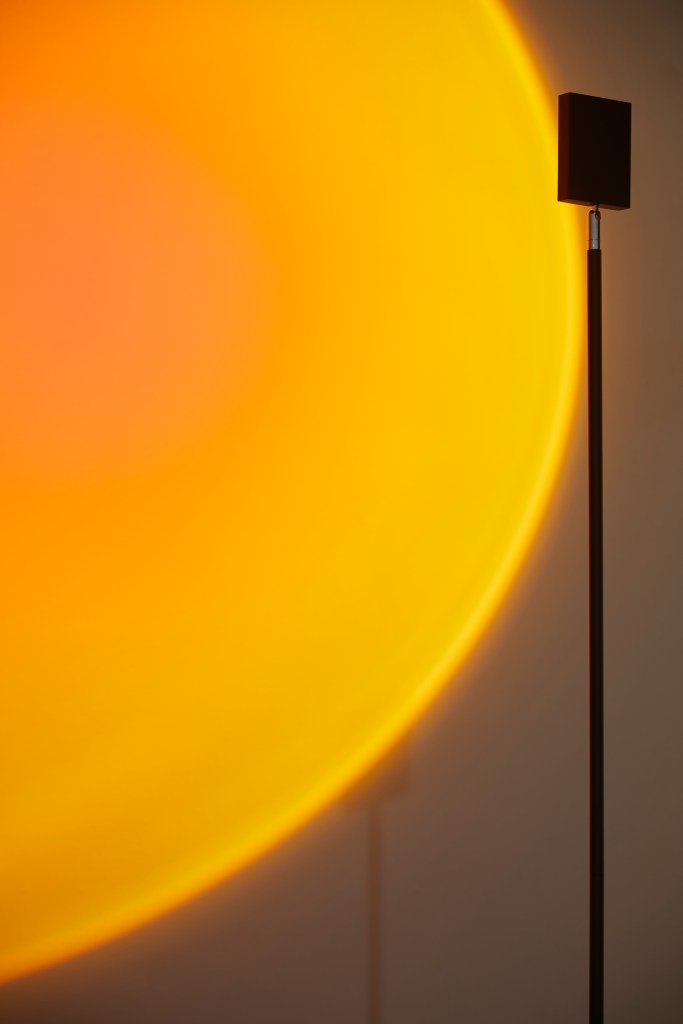




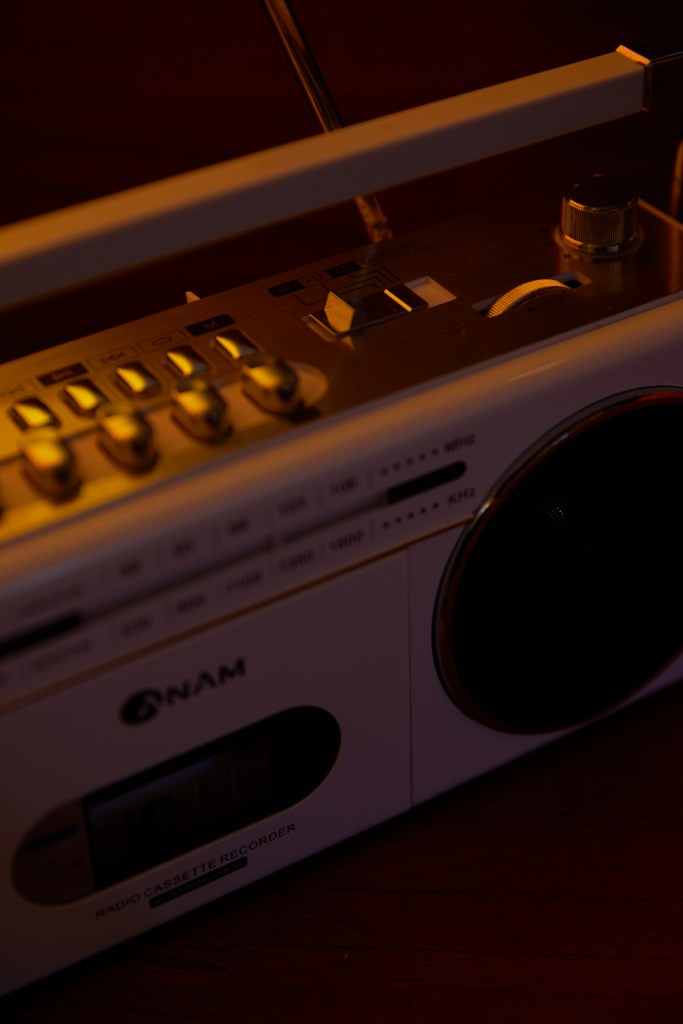
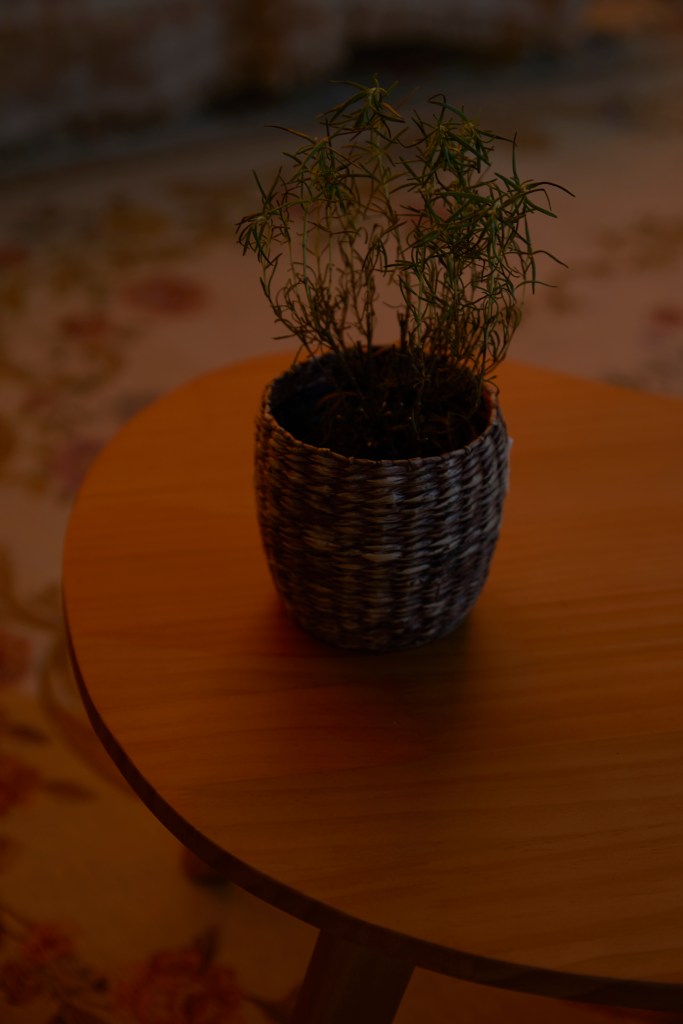
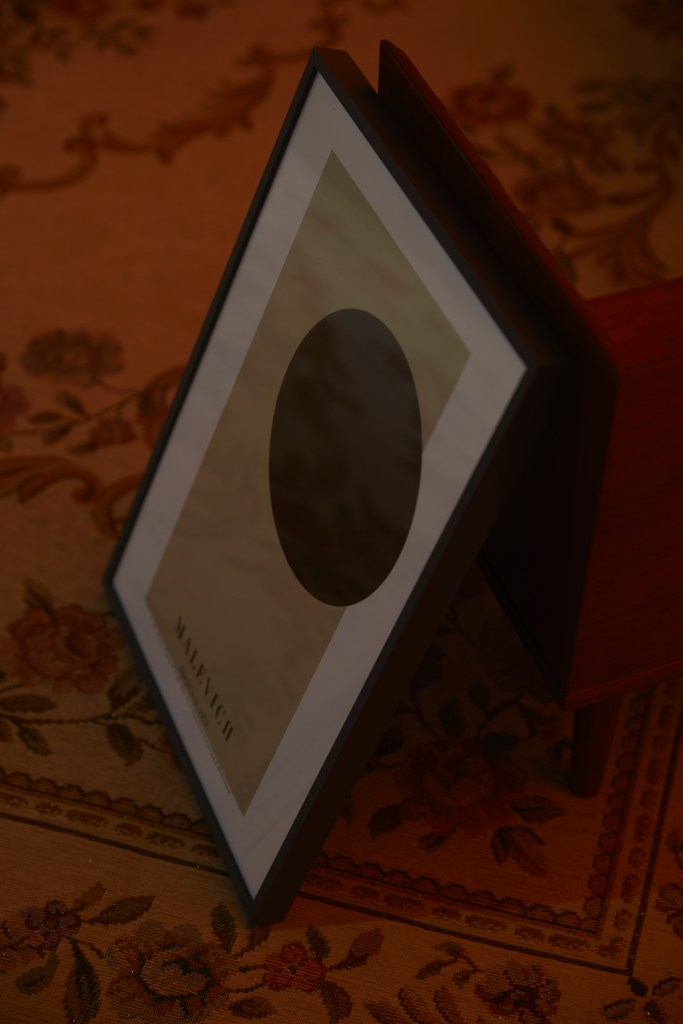
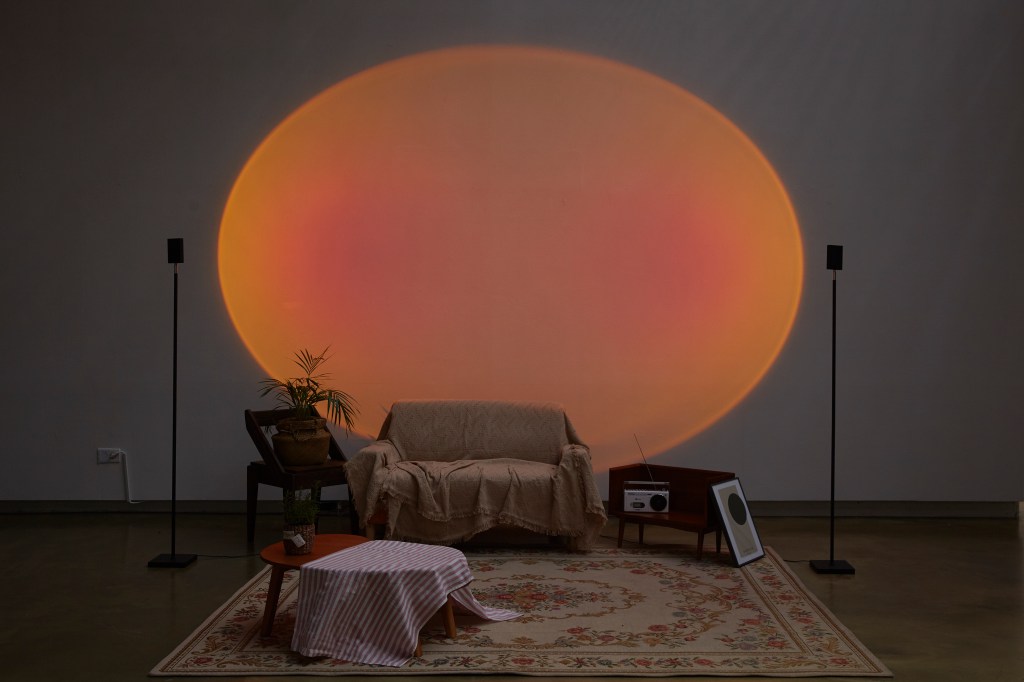
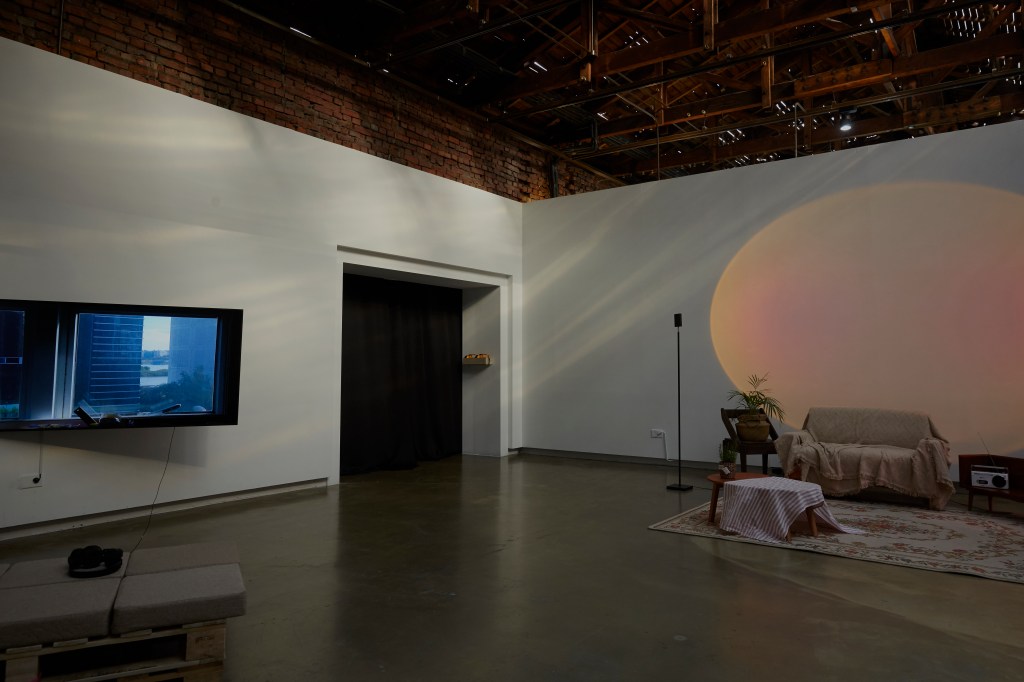
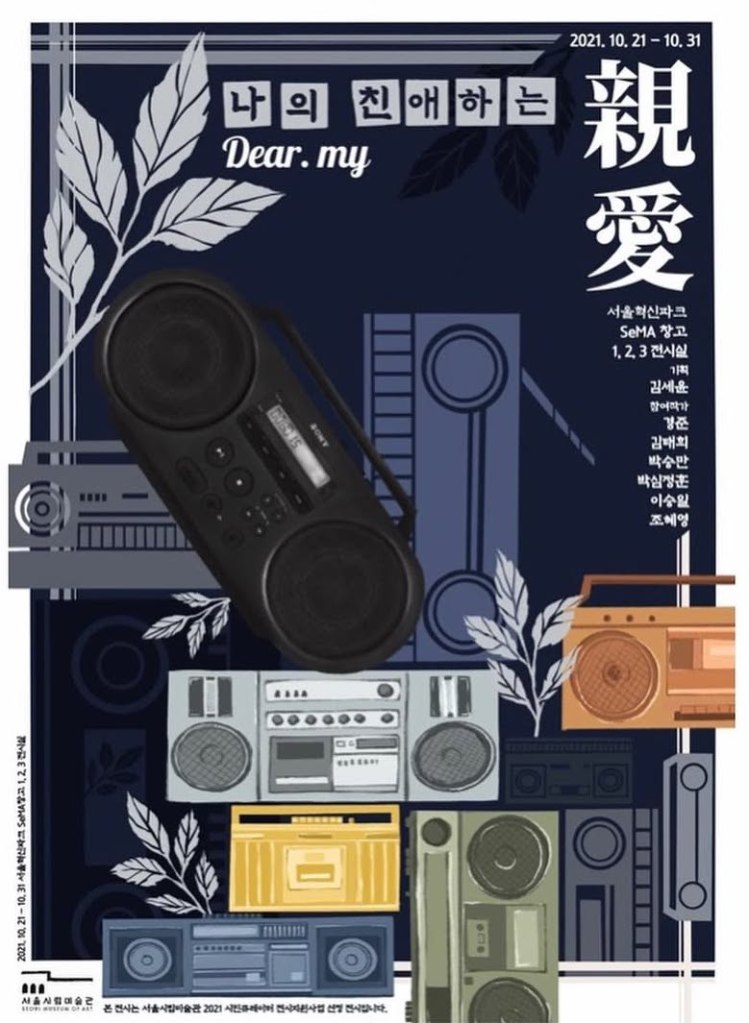
2022 Artwork : <오늘의 집으로, 우리들의 밝은 내일> Exhibited at 《나의 친애하는》
전시기간 : 2021.10.21(목)~2021.10.31(일) 월요일은 휴관
관람시간 : 11:00 ~ 19:00
전시공간 : 서울시립미술관 SeMA 창고 (서울시 은평구 통일로 684)
참여작가 : 경준, 김태희, 박승만, 박심정훈, 이승일, 조혜영
기획/ 글 : 김세윤
후원 : 서울시립미술관

